







Permanent link to this article: https://snbchf.com/2022/03/flood-the-fed-idea-next/
 On Swiss National Bank
-
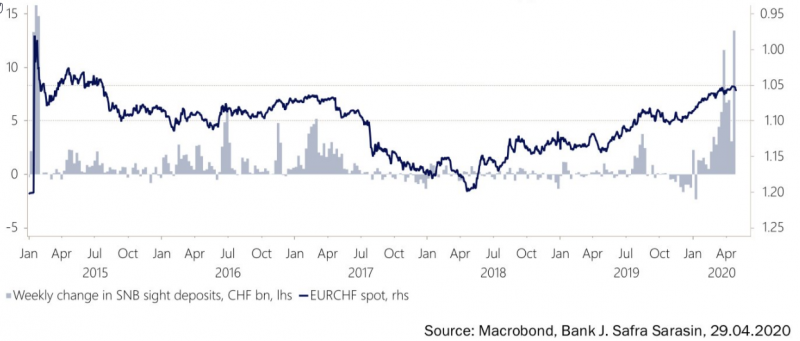
SNB Sight Deposits: decreased by 2.2 billion francs compared to the previous week
-
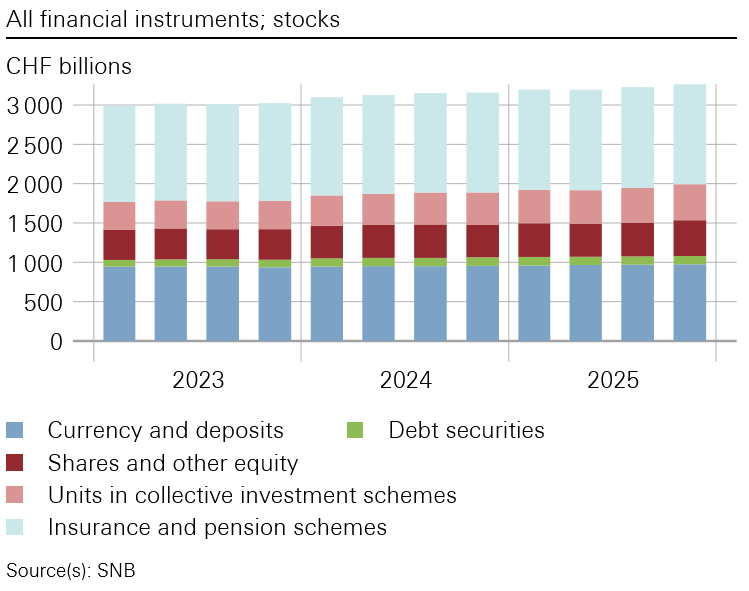
Household wealth in 2025
-
Heads up for NZD and CHF traders, RBNZ Gov Breman and SNB Chair Schlegel to speak
-
Swiss franc appreciation has led to tighter monetary conditions – SNB minutes
-
SNB’s Chairman Schlegel: A few months of negative inflation wouldn’t be a problem
Main SNB Background Info

Featured and recent
-
 SNB Sight Deposits: decreased by 2.2 billion francs compared to the previous week
 -
 Corrections vs. Bear Markets: Why 20% Declines Are Obsolete
 -
 -40 Kilo! Ricarda Lang feiert Abnehmerfolg! Das Internet feiert!
 -
 Steuerrecht digitalisieren mit KI – eine gute Idee?
 -
 Why Switzerland is launching a charm offensive in Southeast Asia
 -
 Ex-Raiffeisen bank CEO fined for tax evasion
 -
 The price of gold matters, but availability matters more.
 -
 FATAL: EU Chefdiplomatin blamiert ganz Europa! China außer sich!
 -
 India’s situation shows why physical gold is different from paper exposure.
 -
 ZUGRIFF auf dein Vermögen: So schützen sich INSIDER
More from this category
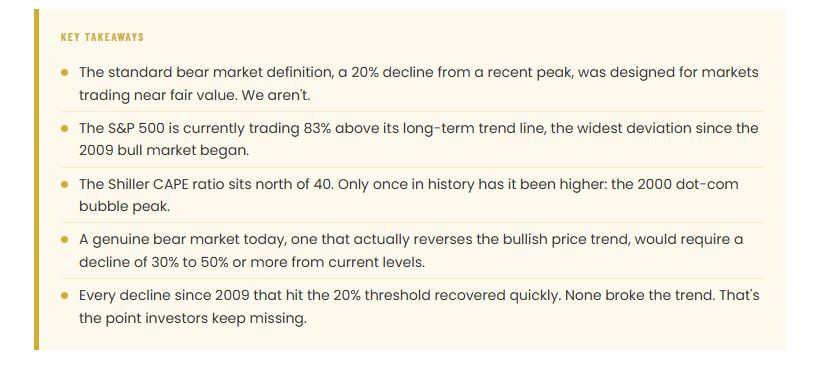 Corrections vs. Bear Markets: Why 20% Declines Are Obsolete
25 May 2026
- Why Switzerland is launching a charm offensive in Southeast Asia
25 May 2026
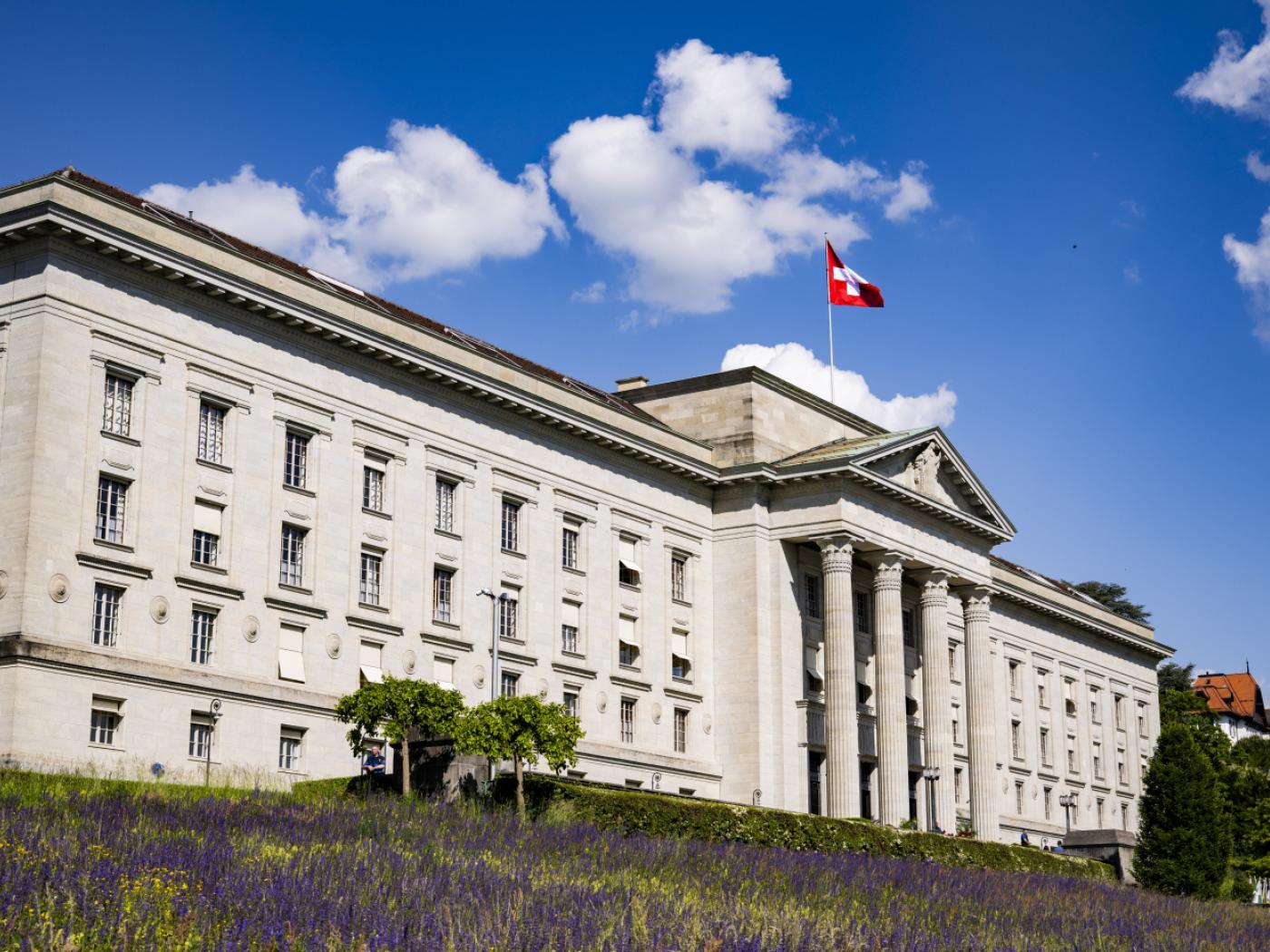 Ex-Raiffeisen bank CEO fined for tax evasion
25 May 2026
 Gotthard rail tunnel overhaul costs pile up
24 May 2026
 Problems are synonymous with opportunity for entrepreneur Lucas Rondez
 24 May 2026
 Former Swiss banker ‘faces CHF1 million tax evasion charge’
24 May 2026
- Price Inflation Is Getting Worse
23 May 2026
- A Schumpeterian Analysis of the Eurobond Scandal through Rothbard’s Cui Bono
23 May 2026
- Mises’s Theory of Nations Applied to Immigration and Borders
23 May 2026
- Thomas Massie election: Losing the battle, winning the war
23 May 2026
 Week Ahead: US Economic Resilience Supports the Dollar
23 May 2026
- War, Easy Money, and the Working-Class Squeeze
23 May 2026
 SpaceX IPO: Should I Buy It, Or Wait?
23 May 2026
 Aromat, from Switzerland to the townships of South Africa
23 May 2026
- How Social Contract Theory Became State Apologetics
22 May 2026
- The Economic Problem Behind Zohran Mamdani’s Government Grocery Plan
22 May 2026
- RMP is Not QE
22 May 2026
- The Great Reversal: How Social Contract Theory Became State Apologetics
22 May 2026
- After 75 Years, Human Action Is Still the Standard for Understanding Economics
22 May 2026
 Stocks and Bonds Rally Despite the Apparent Lack of Progress in the Middle East
22 May 2026
The Fed Has No Idea What’s Coming Next!
Published on March 18, 2022
Stephen Flood
My articles My videosMy books
Follow on:
was the message from the Federal Reserve statement and Chair Powell’s press conference that followed.
The Fed, as widely expected did raise their short-term rate, known as the fed funds rate, by .25% to a range of 0.25% to 0.50%.
This was the first increase since 2018.
Along with the statement FOMC (Federal Open Market Committee) participants also released their Summary of Economic Projections.
This gave an indication of where the committee members view economic indicators going forward.
FOMC Summary of Economic Projections
There are a few of the FOMC projections that we want to point out in the table below.
The first of these is the revised down U.S. GDP projection, as Chair Powell pointed out 2.8% is still a solid GDP projection.
To put it in perspective – real GDP growth averaged 2.25% from 2010. After the Great Financial Crisis, through 2019, before the start of widespread Covid-lockdowns wreaked havoc on economies.
.
The FOMC is projecting inflation to average 4.3% higher this year compared to last year. Also, a fed funds rate of 1.9% at year-end.Using these projections means that the real fed funds rate is a negative 2.4%.
Said another way the fed is not raising rates as fast as inflation is rising – or the ‘fed is behind the inflation curve’.
This strategy is good for borrowers – and bad for savers.
And remember that the U.S. government is a big borrower and in our post, March 4, 2021 “Central Banks Will Still Do “Whatever It Takes”! we discussed the Fed and highly indebted governments want and need inflation to ‘grow’ their way out of debt.
.
The Fed Is Stuck Between a Rock and a Hard Place
And with PCE inflation coming in at 6.6% in January. This was before the rise in commodity prices and additional supply constraints and issues due to the war were even a factor.
This was compounded by the rise in wages that has still not peaked we think that the 4.3% projection for this year is low.
The Fed is still between a rock and a hard place. It is only getting tighter for them to maneuver.
The geopolitical uncertainty not only with the invasion of Ukraine by Russia but now with China. Also, the increased push for de-dollarization after sanctions are all adding to an already uncertain outlook.
Then on top of that, there is the LME not only halting trading on nickel after the price surged on March 7, but also canceling contracts.
And the reopening of trading on March 16 did not go smoothly – although this is not a direct impact on the Fed. Lost trust in market infrastructures is certainly a factor for them to consider.
Remember when markets lost trust in counterparties in 2008-09 – the Fed (and other central banks) stepped in with massive asset purchases to stabilize markets.
Those asset purchases continued until 2014 – and then started again on an even grander scale in 2020 and have now expanded the Fed’s balance sheet to around US$9 trillion. In respect to the balance sheet, the March 16 Fed statement said,
and Chair Powell only elaborated on this plan in the press conference saying,
What the pace of reduction remains to be seen – but knowing that the Fed is hesitant to disrupt markets when reducing its balance sheet, it can’t ‘sell’ assets very quickly.
By buying these assets the Fed has already disrupted the market and changed/removed pricing and risk mechanisms.
Markets don’t believe the Fed’s projections
When the statement and economic projections were first released markets reacted to the tighter policy as expected – i.e. U.S. equities declined, the gold price declined, and the U.S. 10-year yield rose.
However, by the time that Chair Powell’s press conference was over, all this reversed as markets digested the information that the Fed has no idea what comes next and is not seriously going to raise rates past the rate of inflation – keeping real interest rates negative and policy somewhat accommodative for now.
Which is positive for gold and silver investors.
.
Follow on:
No related photos.
Tags: Commentary,Economics,Featured,Geopolitics,Gold,inflation,Jerome Powell,Market Crash,News,newsletter,Precious Metals,Russia,silver,the fed,Ukraine