







In the event of fuel and heating oil shortages, Switzerland can draw on compulsory stockpiles. It does not have to share these with other countries. Despite the ongoing war in Iran and the closure of the Strait of Hormuz, petrol and diesel continue to flow at Swiss petrol stations and planes are still taking off. … Continue...
Read More »
Tag Archive: newsletter

Want to Cut Taxes? Reduce Government Spending.
Politicians love to claim they are cutting taxes all the while running up ruinous debts and deficits. If they wish to get serious about cutting taxes, they first need to cut spending.
Read More »
Read More »
Want to Cut Taxes? First, Cut Government Spending.
Politicians love to claim they are cutting taxes all the while running up ruinous debts and deficits. If they wish to get serious about cutting taxes, they first need to cut spending.
Read More »
Read More »
The Battle of Ideas Paves the Way for Radicals and Revolutionaries
Both the Bolsheviks and the American revolutionaries laid the groundwork for their political victories by first fighting ideological battles.
Read More »
Read More »
US-Iran Ceasefire at Risk: Oil Pulls Rates Higher

Read More »
Responding to Geochartalism: Did Mosler Complete Menger?
Bob responds to a new working paper from the Geo-chartalism project, which claims to offer a complete theory of the price level by combining insights from Menger, Cantillon, and Warren Mosler.
Read More »
Read More »
Is it “gaslighted” or “gaslit”? | The Economist

Read More »
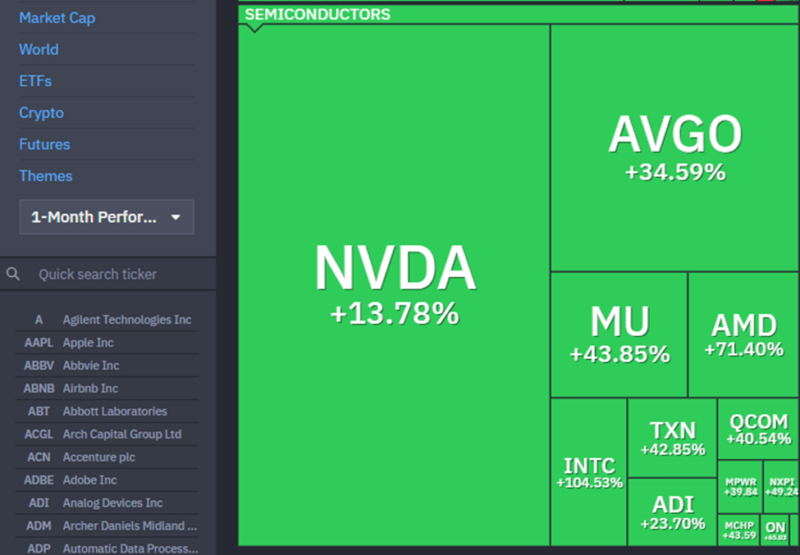
NVDA To CPU Rotation: Durable Thesis Or Crowded Trade?
Read More »
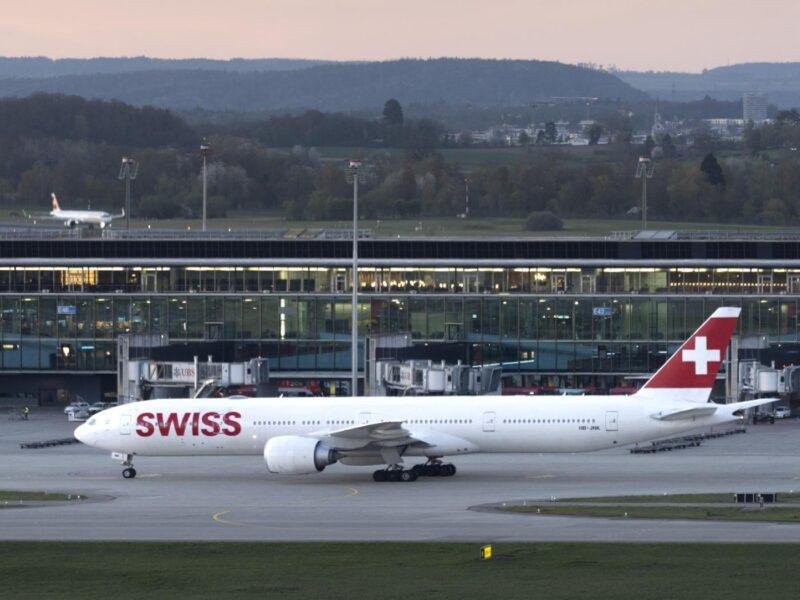
Swiss population ‘proud of flying’ – not ashamed
Read More »
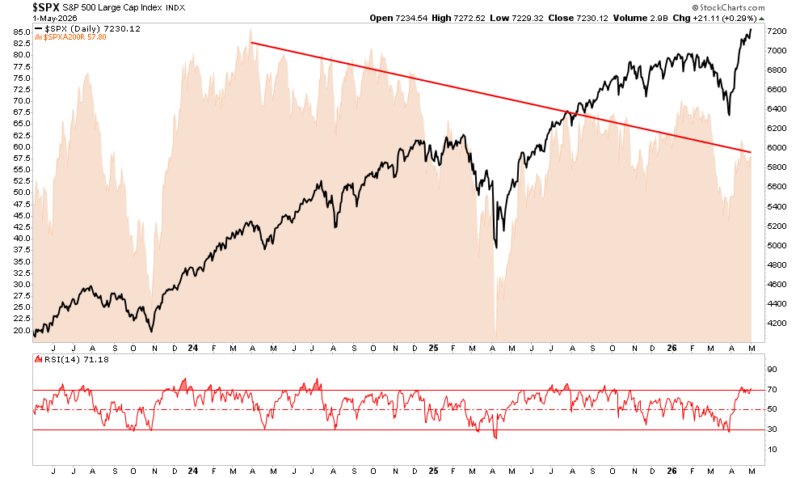
Market Correction Risk: Why Summer 2026 Looks Risky
Read More »
Federal Prosecutor: “I’d Like to Prosecute Any Nun Who Still Wears the Head Habit”
DOJ prosecutor Gaston replied: “I would like to take a special assignment of finding and prosecuting [habited nuns].”
Read More »
Read More »
Zurich airport traffic exceeds pre-Covid levels despite conflicts

Read More »
Swiss banks hit with three-digit million lawsuit
Read More »
EIL: Bas ruft zum Kampf gegen Merz! Der geht völlig unter bei Miosga!

Read More »
Geneva honours Palestinian and Ugandan cartoonists for defending rights

Read More »
🤔 Sind die klassischen Lebensphasen überhaupt noch zeitgemäß?

Read More »
Wall Street and Sound Money
" Wall Street cannot be counted on to do anything to move the American monetary system towards the proper sound money standard we so desperately need – indeed, quite the opposite."
Read More »
Read More »
Swiss fuel shortage ‘very likely’, warns trading expert

Read More »
Gold, Rules, and the Limits of Monetary Control: The Fallacy of Monetary Control
In 1971, when the last formal link between the dollar and gold was severed, more than a monetary system collapsed.
Read More »
Read More »
 On Swiss National Bank
-
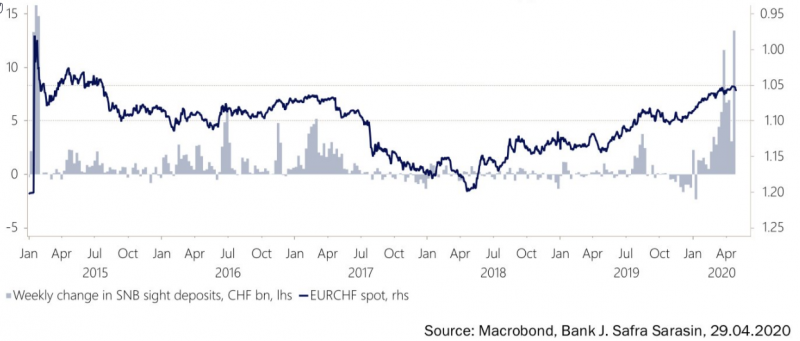
SNB Sight Deposits: decreased by 2.2 billion francs compared to the previous week
-
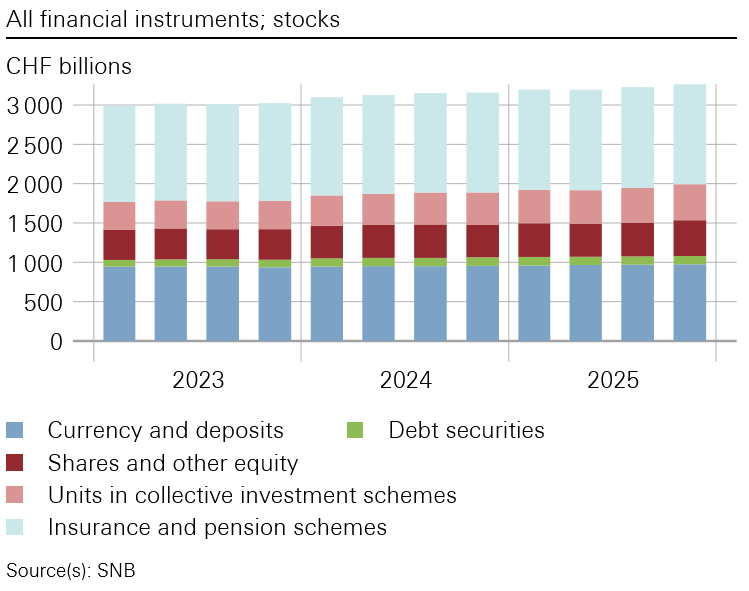
Household wealth in 2025
-
Heads up for NZD and CHF traders, RBNZ Gov Breman and SNB Chair Schlegel to speak
-
Swiss franc appreciation has led to tighter monetary conditions – SNB minutes
-
SNB’s Chairman Schlegel: A few months of negative inflation wouldn’t be a problem
Main SNB Background Info

Featured and recent
-
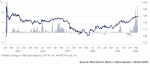 SNB Sight Deposits: decreased by 2.2 billion francs compared to the previous week
 -
 Corrections vs. Bear Markets: Why 20% Declines Are Obsolete
 -
 -40 Kilo! Ricarda Lang feiert Abnehmerfolg! Das Internet feiert!
 -
 Steuerrecht digitalisieren mit KI – eine gute Idee?
 -
 Why Switzerland is launching a charm offensive in Southeast Asia
 -
 Ex-Raiffeisen bank CEO fined for tax evasion
 -
 The price of gold matters, but availability matters more.
 -
 FATAL: EU Chefdiplomatin blamiert ganz Europa! China außer sich!
 -
 India’s situation shows why physical gold is different from paper exposure.
 -
 ZUGRIFF auf dein Vermögen: So schützen sich INSIDER
More from this category
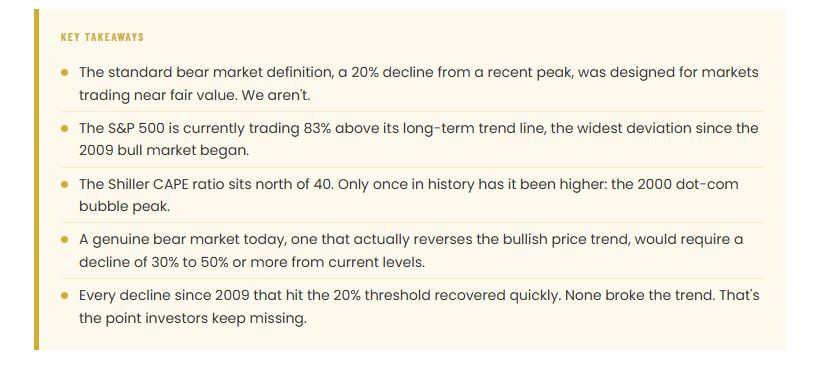 Corrections vs. Bear Markets: Why 20% Declines Are Obsolete
25 May 2026
- Why Switzerland is launching a charm offensive in Southeast Asia
25 May 2026
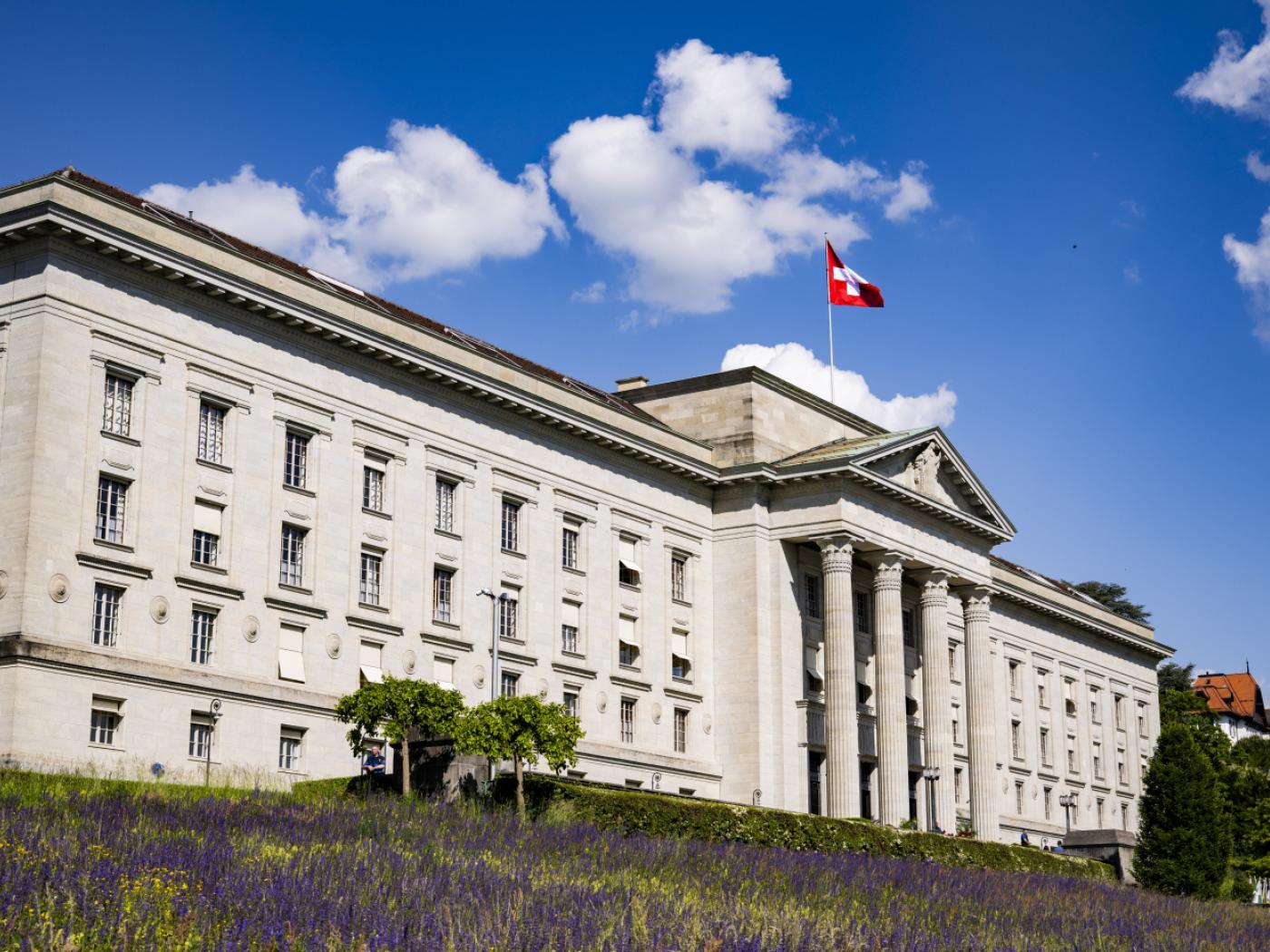 Ex-Raiffeisen bank CEO fined for tax evasion
25 May 2026
 Gotthard rail tunnel overhaul costs pile up
24 May 2026
 Problems are synonymous with opportunity for entrepreneur Lucas Rondez
 24 May 2026
 Former Swiss banker ‘faces CHF1 million tax evasion charge’
24 May 2026
- Price Inflation Is Getting Worse
23 May 2026
- A Schumpeterian Analysis of the Eurobond Scandal through Rothbard’s Cui Bono
23 May 2026
- Mises’s Theory of Nations Applied to Immigration and Borders
23 May 2026
- Thomas Massie election: Losing the battle, winning the war
23 May 2026
 Week Ahead: US Economic Resilience Supports the Dollar
23 May 2026
- War, Easy Money, and the Working-Class Squeeze
23 May 2026
 SpaceX IPO: Should I Buy It, Or Wait?
23 May 2026
 Aromat, from Switzerland to the townships of South Africa
23 May 2026
- How Social Contract Theory Became State Apologetics
22 May 2026
- The Economic Problem Behind Zohran Mamdani’s Government Grocery Plan
22 May 2026
- RMP is Not QE
22 May 2026
- The Great Reversal: How Social Contract Theory Became State Apologetics
22 May 2026
- After 75 Years, Human Action Is Still the Standard for Understanding Economics
22 May 2026
 Stocks and Bonds Rally Despite the Apparent Lack of Progress in the Middle East
22 May 2026