







 by
by Lance Roberts
My articles My offerMy siteAbout meMy videosMy books
Follow on:TwitterSeeking AlphaFacebookAmazon
| Most investors chase returns and compare themselves to an index that isn’t a real portfolio. Indexes don’t pay taxes, trading costs, management fees, or deal with withdrawals. They also replace failed companies without absorbing permanent capital losses — something individual investors can’t do. That structural advantage makes consistent outperformance extremely difficult. Because of these differences, obsessing over beating or matching an index can lead to poor psychological decisions. Investors often chase last year’s winners, assuming recent outperformance will continue. But markets rotate — sectors and themes shift leadership over time. What worked last year may underperform next year. By jumping into what just worked, investors frequently buy high and set themselves up for disappointment. Long-term success in investing requires discipline, understanding market rotation, and avoiding the psychological trap of performance envy. If you like this video, please ❤️like and 🔁retweet Catch me daily on The Real Investment Show: https://www.youtube.com/@TheRealInvestmentShow |
You Might Also Like
 1-19-26 The Metric that Matters – The Michael Green Interview
2026-01-15
What really matters for markets in 2026—and why are most forecasts focused on the wrong metrics?
Lance Roberts visits with Simplify Portfolio Manager & Chief Investment Strategist, Michael Green, CFA, to examine the structural changes inside today’s markets that are reshaping price discovery, volatility, and risk. From the rise of passive investing and ETF dominance to the growing disconnect between fundamentals and flows, the mechanics of how markets trade have changed dramatically.
#MarketOutlook2026 #PassiveInvesting #ETFMarketStructure #FinancialNihilism
#MarketRisk #MichaelGreen
 1-14-26 Why “Just Hold Forever” Isn’t a Good Strategy
2026-01-14
The market isn’t about to crash, but it is pressing against a rare, long-term resistance zone at historically high valuations. That raises the risk of lower future returns and periodic corrections.
In this Short video, Lance Roberts discussed why ignoring valuation and mean reversion can leave long-term investors short of their goals.
📺Full episode:
Catch me daily on The Real Investment Show: https://www.youtube.com/@TheRealInvestmentShow
 Fannie And Freddie To The Rescue
2026-01-12
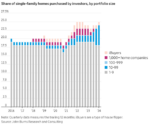
President Trump is using Fannie Mae and Freddie Mac to help make housing more affordable. According to a TruthSocial post, the President claims Fannie and Freddie have a combined $200 billion in cash. Accordingly: I am instructing my Representatives (Fannie and Freddie) to buy $200 billion dollars In mortgage bonds. The hope is that increased …
Tags: Featured,newsletter





























2 pings