






Category Archive: 9a.) Real Investment Advice

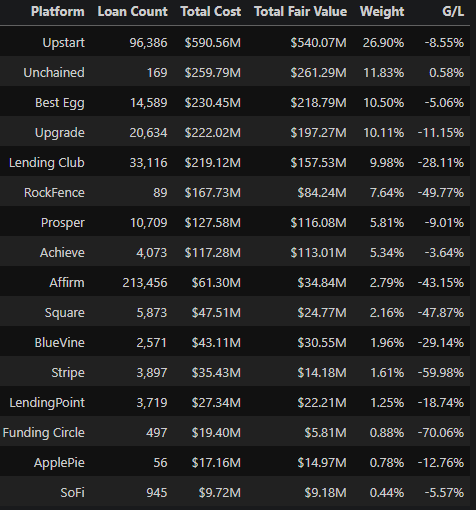
Private Credit Stress: Will The Fed Backstop Excuberance Again?

The Fed is governed by its dual Congressional mandates of price stability and maximum employment. At times, however, the Fed throws these mandates out the window to protect the financial system. With liquidity and credit stress in the private credit market rising, we must consider whether the Fed might once again ignore its mandates to …

Read More »

3-17-26 Oil Doesn’t Crash Markets… Earnings Do

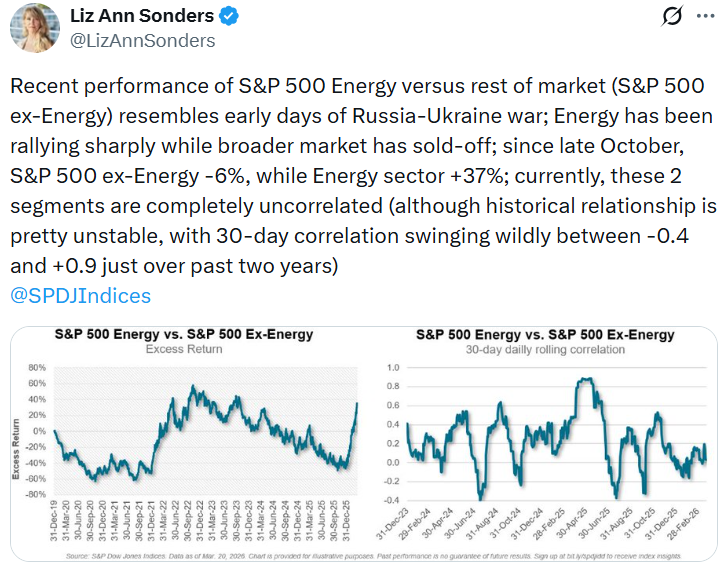
The market is reacting to rising oil and gasoline prices. The key issue isn’t just oil itself—it’s how it hits the consumer directly. Consumers are already stretched. Higher gas prices = real cash drain. That money doesn’t come from nowhere; it comes out of other spending. Less discretionary spending → weaker demand → pressure on companies. This is a chain reaction: 1. Oil up → Gas prices up 2. Consumers spend more on fuel 3. Cut spending...

Read More »

3-17-26 Fixing Your Broken Emergency Fund

Is your financial plan built to survive a market crash — or a $5,000 emergency? Lance Roberts & Jon Penn break down what retirees and younger workers both need to know about protecting their money when the economy sends mixed signals. Whether you're protecting a nest egg or just starting to build one, this episode gives you a practical framework for financial resilience — no matter what the market does next. Hosted by RIA Advisors Chief...

Read More »

The Brent WTI Spread: The Market’s Take On Iran

When oil-related geopolitical risk flares up, most investors take their cue from oil prices. While energy prices are vital to monitor, far fewer investors track the telling price spread between Brent and WTI oil. West Texas Intermediate or WTI is the US domestic oil price benchmark, priced at Cushing, Oklahoma, and largely reflects North American …

Read More »

3-16-26 The Oil Spike Is Mostly Speculation,Not Supply Issue $OVX $VIX

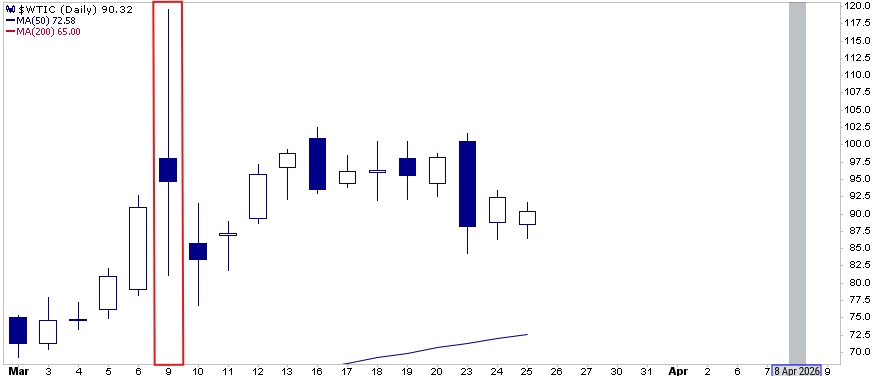
Lance Roberts explains that the recent spike in #crudeoil prices is driven more by speculation in the futures market than by an actual supply shortage. While the closure of the Strait of Hormuz is a major headline event, the U.S. receives only about 2% of its oil from that route thanks to the growth of domestic production since the fracking boom. Instead, traders reacting to geopolitical uncertainty are buying oil futures, pushing prices higher...

Read More »

3-16-26 Oil Shock: Markets Reprice Risk

Oil volatility is shaking global markets after disruptions in the Strait of Hormuz triggered the largest modern oil supply shock. Crude briefly surged above $100 as geopolitical tensions escalated, sending volatility across equities, credit, and currencies. Lance Roberts discusses oil volatility, market technicals, private credit stress, and the key risks investors should be watching next. Hosted by RIA Advisors Chief Investment Strategist, Lance...

Read More »

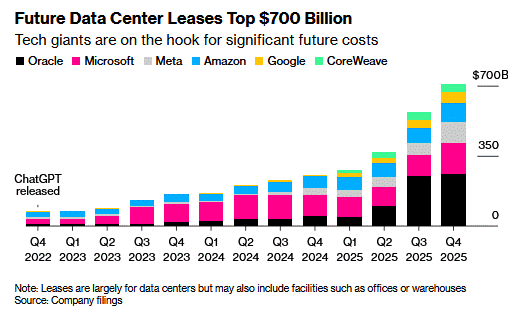
Data Center Leases: Is Spending Mindful Of Revenues?

A recent Bloomberg article, "Microsoft, Meta Add to $700 Billion Surge in Data Center Leases," reminds us that the massive growth in data centers will continue for the foreseeable future. However, it also warns that the massive investments in AI infrastructure by the largest AI companies exceed what their financial statements suggest. The article notes …

Read More »

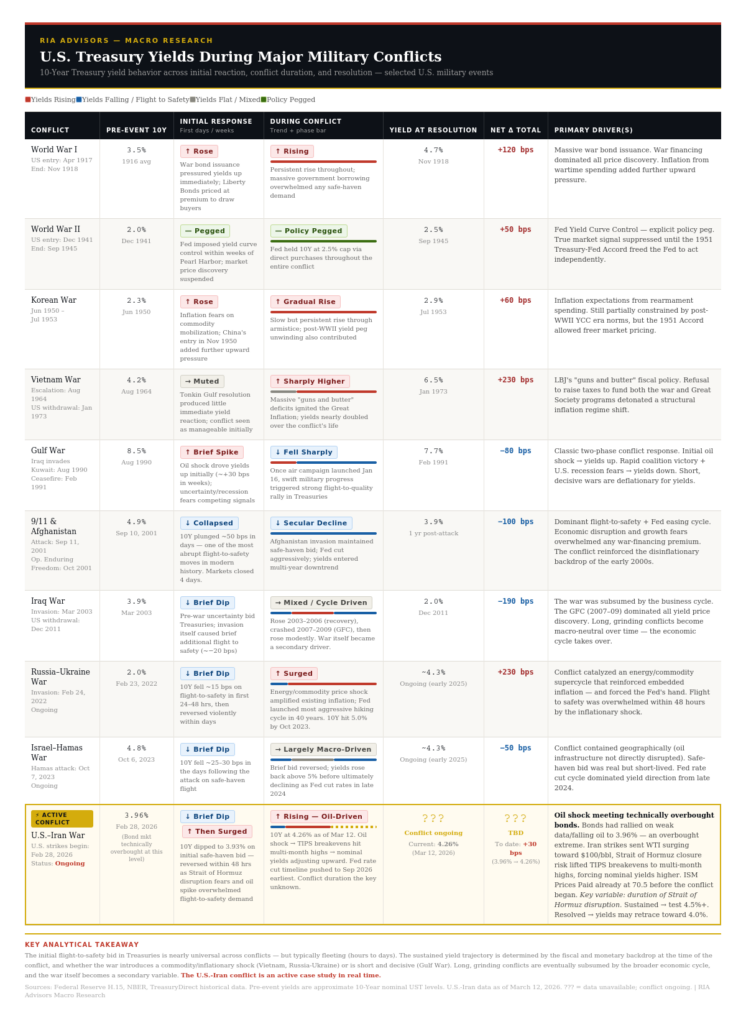
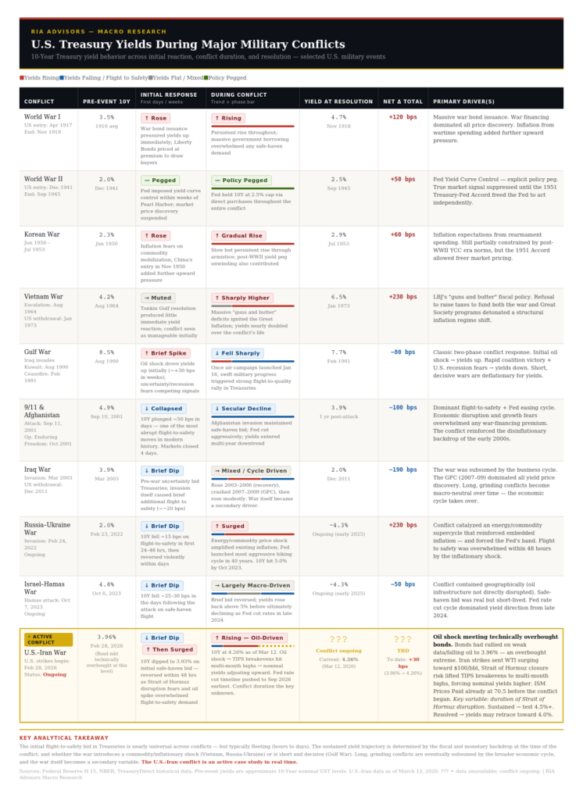
Treasury Bond Yields Don’t Lie: But Wars Don’t Drive Them

This past weekend, Adam Taggart and I discussed what happens to Treasury bond yields when the United States enters a military conflict. The conventional wisdom is reflexive and tidy. A conflict triggers a flight to safety, money floods into U.S. government bonds, and yields fall. It’s a clean narrative. Unfortunately, it is wrong more than …

Read More »

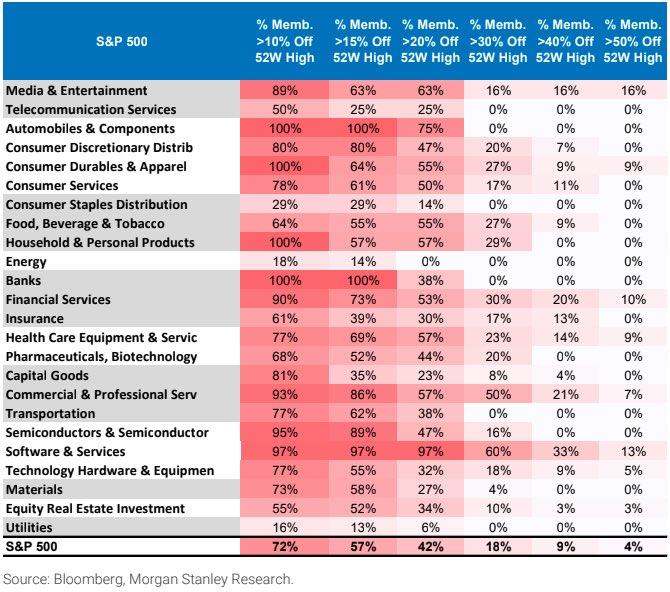
Oil Volatility And The Market Impact

The S&P 500 extended its losing streak to three consecutive weeks, the first such run in roughly a year. The convergence of geopolitical shock, private credit stress, and deteriorating economic data gave investors little reason to buy the dip. The post Oil Volatility And The Market Impact appeared first on RIA.

Read More »

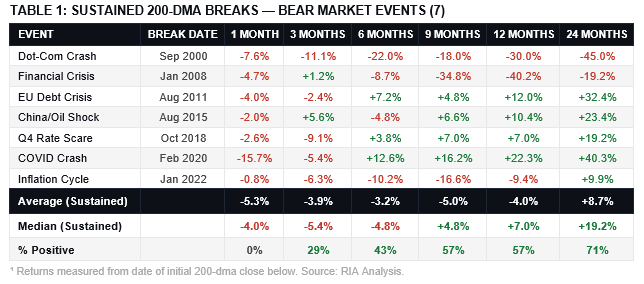
3-13-26 Why Every Rally Is Getting Sold In This Market

In this short video, Lance Roberts & Michael Lebowitz discuss why rallies in the current market keep getting sold. $SPX is beginning to lose momentum after months of steady gains, shifting from higher highs to lower highs. A key factor is the presence of “trapped longs”—investors who bought the dip expecting another V-shaped recovery and are now selling into strength to exit positions. That selling pressure is capping upside moves while...

Read More »

3-13-26 The Psychology of Spending in Retirement

Retirement income planning isn’t just about withdrawal rates, portfolio construction, or tax strategies. For many retirees, the hardest part of retirement is psychological, not mathematical. RIchard Rosso & Jonathan McCarty explore the psychology behind retirement spending decisions, including why retirees frequently leave large amounts of wealth unused and how behavioral finance shapes income planning. #RetirementPlanning #RetirementIncome...

Read More »

Fitzpatrick: Soros CEO & CIO Warns of a Reckoning

A funny thing about bull markets is that investors develop a very short memory about the previous bear market. Such is why cycles repeat throughout history as lessons must be learned and relearned. The post Fitzpatrick: Soros CEO & CIO Warns of a Reckoning appeared first on RIA.

Read More »

Amazon Debt: Great Demand Despite Concerns

The technology sector has been on edge in recent months, in part due to the evolving landscape of AI innovation funding. More specifically, equity investors of the largest AI companies are growing increasingly concerned because debt is being used more […] The post Amazon Debt: Great Demand Despite Concerns appeared first on RIA.

Read More »

3-12-26 The “Value Rotation” Illusion

The market narrative says investors are rotating out of expensive growth stocks and into cheaper value stocks. But is that actually happening? #ValueInvesting #StockMarket #PassiveInvesting #MarketAnalysis #InvestorEducation Jon Penn and Michael Lebowitz explain how today’s passive investing landscape can distort traditional definitions of value and growth.

Read More »

Core CPI Lowest In 5 Years: Pre-Conflict Inflation Snapshot

The February CPI report was largely as expected. The month-over-month headline figure rose by 0.3%, bringing the year-over-year rate to 2.4%. Core CPI, excluding food and energy, rose by only 0.2%, dropping the annual rate to 2.5%, the lowest since […] The post Core CPI Lowest In 5 Years: Pre-Conflict Inflation Snapshot appeared first on …

Read More »

3-11-26 Why Most Investors Don’t Actually Have a Long Time Horizon

Most investors say they have a 10–15 year time horizon, but in reality, very few can tolerate the volatility and drawdowns that come with it. If a stock drops 30–50%, most people sell long before their “long-term” plan plays out. The key is to match your portfolio strategy to your actual psychology and behavior. Build positions and manage risk based on how long you realistically hold trades, not on an idealized time horizon. 📺Full episode: &...

Read More »

3-11-26 Q&A Day: Technical Breakdown in the S&P 500: What Comes Next?

Jon Penn & Devoda Owens cover key financial planning and market topics affecting investors and retirees, beginning with market commentary on the Iran campaign and geopolitical risk, and what it could mean for energy prices, inflation expectations, and market volatility. Jon & Devoda also discuss Social Security depletion projections, how investors should think about benchmarking portfolios, and the key considerations around when to claim...

Read More »

True Value: Looking Through The Value Rotation Illusion

In our recent article, The Value Rotation Illusion, we explained that in the recent rotation from growth to “value”, passive investors, in actuality, are selling value stocks to buy expensive stocks. Confused? In this follow-up, we take our three-tier earnings […] The post True Value: Looking Through The Value Rotation Illusion appeared first on RIA.

Read More »

Will Oil Prices Handcuff The Fed?

After Friday’s weak employment report, there was a rebirth of the once-dead argument for a rate cut at the Fed’s March meeting. Over the last six months, the economy has shed 6,000 jobs in aggregate, including three months in which […] The post Will Oil Prices Handcuff The Fed? appeared first on RIA.

Read More »

3-10-26 Is Private Credit The Next Crisis? The Real Risk Explained

Concerns about private credit have been rising recently, but the current situation appears to be a localized credit event rather than the start of a systemic crisis. Years of abundant capital chasing yield pushed lenders to loosen standards, leading to weaker loans and higher risk. As problems emerge, investors in private credit funds may request redemptions (as we have seen recently with Blackstone), putting pressure on these funds because they...

Read More »