







Permanent link to this article: https://snbchf.com/2021/10/flood-why-central-banks-higher-inflation/
 On Swiss National Bank
-
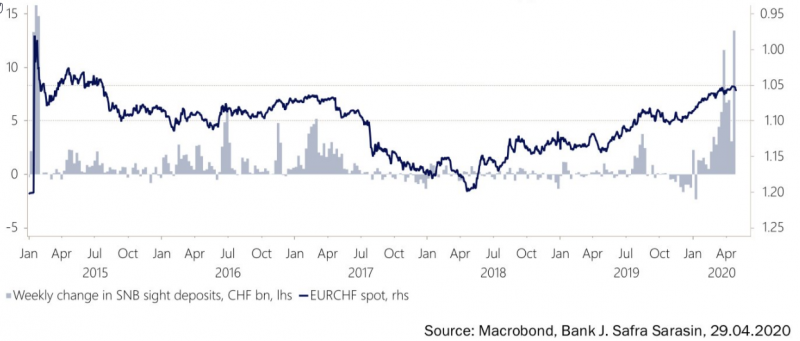
SNB Sight Deposits: decreased by 2.2 billion francs compared to the previous week
-
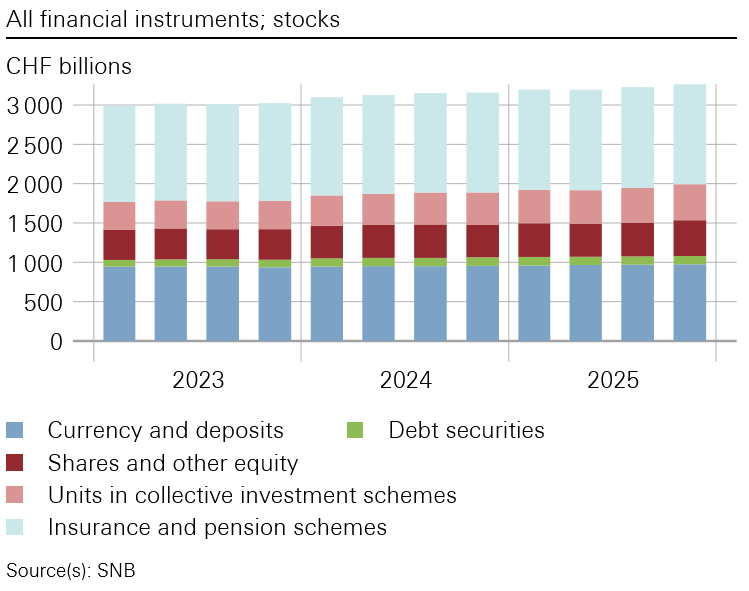
Household wealth in 2025
-
Heads up for NZD and CHF traders, RBNZ Gov Breman and SNB Chair Schlegel to speak
-
Swiss franc appreciation has led to tighter monetary conditions – SNB minutes
-
SNB’s Chairman Schlegel: A few months of negative inflation wouldn’t be a problem
Main SNB Background Info


Featured and recent
-
 SNB Sight Deposits: decreased by 2.2 billion francs compared to the previous week
 -
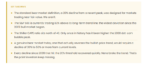 Corrections vs. Bear Markets: Why 20% Declines Are Obsolete
 -
 -40 Kilo! Ricarda Lang feiert Abnehmerfolg! Das Internet feiert!
 -
 Steuerrecht digitalisieren mit KI – eine gute Idee?
 -
 Why Switzerland is launching a charm offensive in Southeast Asia
 -
 Ex-Raiffeisen bank CEO fined for tax evasion
 -
 The price of gold matters, but availability matters more.
 -
 FATAL: EU Chefdiplomatin blamiert ganz Europa! China außer sich!
 -
 India’s situation shows why physical gold is different from paper exposure.
 -
 ZUGRIFF auf dein Vermögen: So schützen sich INSIDER
More from this category
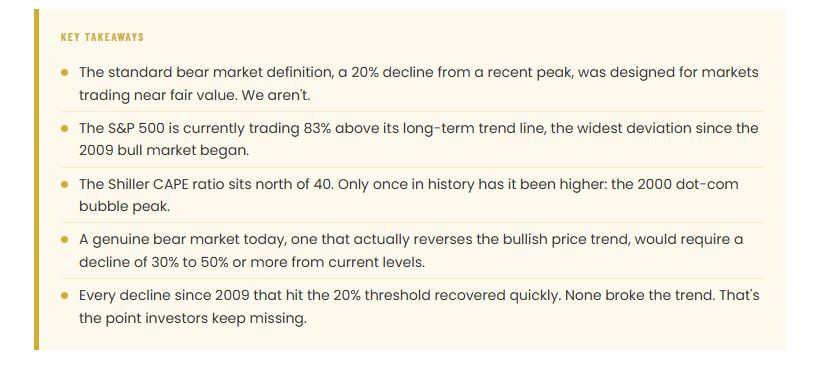 Corrections vs. Bear Markets: Why 20% Declines Are Obsolete
25 May 2026
- Why Switzerland is launching a charm offensive in Southeast Asia
25 May 2026
 Ex-Raiffeisen bank CEO fined for tax evasion
25 May 2026
 Gotthard rail tunnel overhaul costs pile up
24 May 2026
 Problems are synonymous with opportunity for entrepreneur Lucas Rondez
 24 May 2026
 Former Swiss banker ‘faces CHF1 million tax evasion charge’
24 May 2026
- Price Inflation Is Getting Worse
23 May 2026
- A Schumpeterian Analysis of the Eurobond Scandal through Rothbard’s Cui Bono
23 May 2026
- Mises’s Theory of Nations Applied to Immigration and Borders
23 May 2026
- Thomas Massie election: Losing the battle, winning the war
23 May 2026
 Week Ahead: US Economic Resilience Supports the Dollar
23 May 2026
- War, Easy Money, and the Working-Class Squeeze
23 May 2026
 SpaceX IPO: Should I Buy It, Or Wait?
23 May 2026
 Aromat, from Switzerland to the townships of South Africa
23 May 2026
- How Social Contract Theory Became State Apologetics
22 May 2026
- The Economic Problem Behind Zohran Mamdani’s Government Grocery Plan
22 May 2026
- RMP is Not QE
22 May 2026
- The Great Reversal: How Social Contract Theory Became State Apologetics
22 May 2026
- After 75 Years, Human Action Is Still the Standard for Understanding Economics
22 May 2026
 Stocks and Bonds Rally Despite the Apparent Lack of Progress in the Middle East
22 May 2026
Why Do Central Banks Want Higher Inflation?
Published on October 23, 2021
Stephen Flood
My articles My videosMy books
Follow on:
Why do Central Banks want higher inflation?
The debt ceiling debate in U.S. Congress and related political nonsense brings even more to light the exponential growth in US federal government debt. US government debt has doubled in the 10 years since the last major debacle Congress created over raising the debt ceiling back 2011. The debate and Congress’s unwillingness to increase the limit back in August 2011 resulted in declining equity markets. It also resulted in Standard and Poor’s downgrading U.S. debt to AA+ from AAA!
The Political Standoff
The political standoff over raising this arbitrary restriction of how much debt the US can issue has become just another political lever in the dysfunctional Congress. As Secretary Yellen points out…
Borrowing Through The Good Times & Through Bad
The chart below shows the debt ceiling limit (red bar) and the Total debt issued (yellow bar). The debt issued line runs right with the debt limit bar. Both have seen exponential growth, approximately doubling every 10 years over the last 40 years.
Going back to Keynesian principles governments should borrow and increase spending during times of economic downturns (recessions) to help stabilize their economies. Then when the economy recovers the government can pay down the debt through increased revenues and less economic stabilizers – such as unemployment insurance, turning the deficit into a surplus. However, in recent times governments have increased debt levels in recessions and proceed to continue spending more than their revenues when the economy recovers. This leads to exponentially growing debt levels. As the chart below shows higher debt to GDP levels as debt grows faster than GDP. As the chart below shows – U.S. government debt has grown from 40% of GDP to over 125% of GDP.
US Government Debt Ceiling Limit Tracks Total Debt
And here in one chart is why Central Banks want higher inflation!
After all the economist Milton Friedman did say…
It is challenging to read any newspaper, social media feed, or participate in a discussion forum without the topic of inflation coming up these days.
And the extra money printed by central banks around the world for the last 40 years, which has also grown exponentially for the last 15 years is now creating that inflation. A country’s nominal GDP growth is a combination of real growth, meaning how much an economy increases output and then inflation added on top. On the chart below of US debt as a percent of GDP; we have added brackets of the average CPI (Consumer Price Inflation) rate for each of the changes in trend. Starting with the period of 1965 to 1980 CPI averaged 6.9% but has declined to average only 1.7% since 2010. Bottom line is that all else being equal, higher inflation will help reduce the massive government debt levels.
.
We leave you with a quote on inflation:
Full story here Are you the author?Follow on:
No related photos.
Tags: central-banks,Commentary,Economics,Featured,inflation,newsletter