







 by
by Lance Roberts
My articles My offerMy siteAbout meMy videosMy books
Follow on:TwitterSeeking AlphaFacebookAmazon
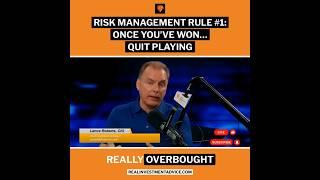
| Lance Roberts examines why bears have become an endangered species—and why that may be a warning sign rather than a confirmation of safety. Investor sentiment is extreme, margin debt is surging, speculative behavior is accelerating, and market leadership remains narrowly concentrated. When optimism becomes unanimous, history shows future returns tend to disappoint. #MarketRisk #InvestorSentiment #StockMarketOutlook #RiskManagement #FinancialPlanning |
You Might Also Like
 1-26-26 Bitcoin: Diversifier or Distraction – The Parker White Interview
2026-01-23
Bitcoin and cryptocurrencies are once again at the center of investor debate—but for very different reasons than past cycles. Lance Roberts and special guest, DeFi Development Corp’s COO, Parker White, examine what’s been happening beneath the surface of the crypto market, including the growing divide between older and younger Bitcoin cohorts and the increasing fractionalization of crypto ownership.
Is Bitcoin’s volatility evolving in a way that allows it to function as a portfolio diversifier, especially when compared to traditional hedges, like gold? What is its potential role in an all-weather portfolio? With 2026 shaping up as a potential “catch-up trade” year, we also address why altcoins continue to lag—and whether they still have a place in diversified portfolios.
The discussion
 The Money Supply Myth: Context Matters
2026-01-20
Supporting the dollar-debasement narrative is the claim that money supply growth is out of control. For instance, we saw a post claiming “US money creation is happening at an alarming pace.” Specifically, he says the money supply increased by $1.65 trillion in 2025. Quoting the money supply, as he does, in absolute dollar terms is …
 12-11-25 Bifurcated Fed Cuts Rates: What’s Next?
2025-12-11
The Federal Reserve cut rates by a quarter point Wednesday, but the real story is the division behind the decision. For the first time since 2021, three Fed governors dissented–an uncommon break in policy unity that raises new questions about inflation progress, economic risk, and the path of monetary policy into 2026.
Lance Roberts & Michael Lebowitz explain why the Fed cut now, what the dissent signals, and how a split vote may affect market volatility, yields, and expectations for future rate moves. We also look at how past dissent has aligned with turning points in policy cycles and what this could mean for portfolios as financial conditions continue to ease.
Use the chapter markers below to jump to any topic.
0:00 – INTRO
0:19 – The Fed Giveth, Oracle Taketh Away
6:53 –
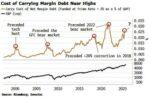 The DPI Link To Margin Debt
2025-12-08
A recent article by Simon White, via Bloomberg, discussed the rising cost of margin debt for investors. While his analysis below compares the cost of debt to GDP, we will also consider a more critical comparison to disposable personal income (DPI). Here is Simon’s point. “Yet, where history does raise a red flag is if …
 5x Leverage Is Too Much Says The SEC
2025-12-05
Wall Street’s financial engineers thought they had found yet another way to turn financial markets into casinos. The gimmick this time is with 3x, 4x, and even 5x leveraged ETFs tied to individual stocks and cryptocurrencies. The SEC just ruled against these new proposals, apparently drawing the line at 2x leverage as the rules state. …
 10-17-25 The Leverage Trap: Why The Next Selloff Could Be Brutal
2025-10-18
Leverage drives bull markets higher—but when sentiment shifts, it accelerates the fall.
In this Short video, I explain how margin debt above $1 trillion fuels gains today but can trigger a rapid, cascading selloff when the tide turns. $SPX $QQQ
Full episode:
Catch me daily on The Real Investment Show: https://www.youtube.com/@TheRealInvestmentShow
Tags: Featured,newsletter











1 pings