






 by
by Marc Chandler
My articles My offerMy siteAbout meMy videosMy books
Follow on:LinkedINTwitterSeeking AlphaAmazon

The US dollar is firm against the G10 currencies ahead of the US January CPI. The week began with news that Chinese officials were encouraging de-risking from US Treasuries. Helped by stronger than expected January employment data, the greenback pared its losses. Separately, and counter-intuitively, the Japanese yen and Japanese bonds have rallied in the aftermath of the LDP’s dramatic victory. Despite the heavier tone for the yen today, it is the strongest of the G10 currencies this week, rising almost 2.5% against the dollar ahead of today’s North American session.
The Fed funds futures have pushed the next Fed rate cut into July from June. The June meeting is the first Warsh will chair if the confirmation hearings proceed normally, which is not a sure thing given the objections to the investigation into the Federal Reserve for cost overruns in its renovations. Still, there is about a 75% chance of a cut still discounted for June. Meanwhile, reports indicate that the Trump administration is considering narrowing the scope for import duties on some metal products. Several industrial metal prices softened in response. The Supreme Court has a decision day next Friday and a ruling on the president's tariff power is possible. Lastly, with the US markets closed on Monday, liquidity may dry up earlier than usual today. Note that Chinese markets are closed now until February 24 for the New Year celebration.
Prices
G10
• The euro has barely ventured out of the range set Monday between about $1.1810 to slightly above $1.1925. This retraced half of the euro’s decline since January 27 high near $1.2080. It has slipped slightly below $1.1850 but is back above it now. There are options for 5.25 bln euros that expire there today. The euro has a three-day drop coming into today. The reaction to the US CPI data will determine whether the streak is extended.
• The dollar reached session highs yesterday against the yen in early North American turnover near JPY153.75. Sellers pushed it back to almost JPY152.35 before steadying. The JPY152.00 area offers nearby support, and there are options for almost $1.8 bln of options struck there that expire today. The greenback has not traded below there since the middle of last October. It has come back better bid today and approached yesterday’s high where it stalled in early European turnover.
• Like the euro, sterling has mostly been confined to Monday’s range (~$1.3585-$1.3700). Sterling fell to almost $1.36 yesterday where options for GBP530 mln expire today. It briefly traded below there but held a smidgeon above Monday’s lows. Next week, the UK reports on the labor market, January CPI, (which looks softer) and retail sales. And the swaps market reflects a recognition at a cut next month is a real possibility (~72%).
• The outside up day on Wednesday saw the greenback extend its gains against the Canadian dollar yesterday. The US dollar steadied a little shy of the (61.8%) retracement of its losses from the February 6 high (~CAD1.3725) found near CAD1.3640. It held slightly below there today. Above CAD1.3650, initial potential extends into the CAD1.3675-CAD1.3700 area.
• The Australian dollar stretched to almost $0.7150, its best level in three years before succumbing to profit-taking that pushed it back to almost $0.7075. The precious and some industrial metals were also softer. Losses have been extended to about $0.7045 today, a four-day low. The $0.7025 area offers support, through a break of Monday’s low near $0.6990 may warn of a deeper correction after a dramatic start. With today’s losses, it is still up about 5.8% this year.
EM
• The US dollar initially made a new low for the month against the Mexican peso yesterday near MXN17.1265 but it recovered to poke above MXN17.26. It posted its highest settlement of the week (~MXN17.2260). The greenback remains firm today though it has so far held below yesterday’s high. The peso is little changed on the week and the interest rate differential still compensated dollar or euro or yen investors.
• The dollar recorded new lows against the offshore yuan during North American trading hours. It reached nearly CNH6.89. The market judged the small increase in the dollar’s fix by the PBOC to technical factors after setting it lower for the previous three sessions. The greenback recovered back above CNH6.90 in the North American afternoon and rose to CNH6.9110 today. The dollar also briefly traded below CNY6.90 yesterday but is holding above it today. The onshore yuan has risen by about 1.2% this year after rising nearly 4.5% last year. The PBOC set the dollar’s reference rate at CNY6.9398 today, a new multiyear low (CNY6.9457 yesterday and CNY6.9590 a week ago).
• Last Friday’s dollar range against the Indian rupee remains operative: ~INR90.1750-INR90.8550. It traded between INR90.60 and INR90.7540 today. Foreigner investors have been buyers of Indian equities in recent days, which removes one source of pressure on the rupee. The rupee eked out its first back-to-back weekly gains since last October. It is about 0.85% softer so far this year, making it among the weakest of the emerging market currencies.
Other Markets
• Yesterday’s sharp equity losses in the US are weighing on global shares today. Nearly all the large bourses in the Asia Pacific region fell, with Taiwan’s 1.6% gain the notable exception. Indeed, most were off more than 1%. The Stoxx 600 is posting losses for the second consecutive session, and without a recovery in the waning hours of today’s session, it will post only its second losing week since mid-December. US index futures are nursing small losses.
• Benchmark 10-year yields are mostly softer. The rally in US Treasuries yesterday saw a little catch-up in the Asian Pacific region. Australian and New Zealand 10-year yields were about five basis point lower. The counter-intuitive rally in JGBs continued. The 10-year yield was shaved by 1.5 bp for a weekly pullback of 6.5 bp. The 30-year bond yield rose for the first time since February 2 and still finished the week about 11 bp lower. The 40-year bond yield rose a couple of basis points today to narrow this week’s decline to about 16 bp. European benchmark rates are slightly softer while the 10-year Treasury yield is 1.5 bp higher to a little more than 4.11%.
• Gold steadied after falling by nearly 3.2% yesterday. Still, it has held below $5000 today. It settled near $4964 last week and is less than 0.3% lower now. Silver tumbled more than 10% yesterday but has also steadied today. It settled near $77.85 last week and is hovering a little above $77 in late European morning turnover.
• March WTI dropped almost 2.8% yesterday and found support a little below $62.50 yesterday. It is probing the $63 area. It settled last week near $63.55.
Data
• The US reports January CPI today. The median forecast in Bloomberg’s survey is for a 0.3% rise in both the headline and core rates. Given the base effects, this will allow the headline pace to slow to 2.5% from 2.7%, which would be the lowest since last May. The core rate may slip to 2.5% from 2.6%. If accurate, this would be the lowest since March 2021. Still, with the better-than-expected January jobs report, the market accepts that the Fed is in no hurry to change rates. The next cut was pushed out to July from June, but two cuts this year are still discounted in the futures market, even though the median dot at the December meeting was for one cut this year. Ahead of Monday’s national holiday that will shut the markets, liquidity may dry up early today. Plan accordingly.
• The eurozone confirmed Q4 25 growth of 0.3% earlier today. The 1.3% year-over-year pace is the slowest in four quarters. The ECB forecasts this year’s growth at 1.2%.
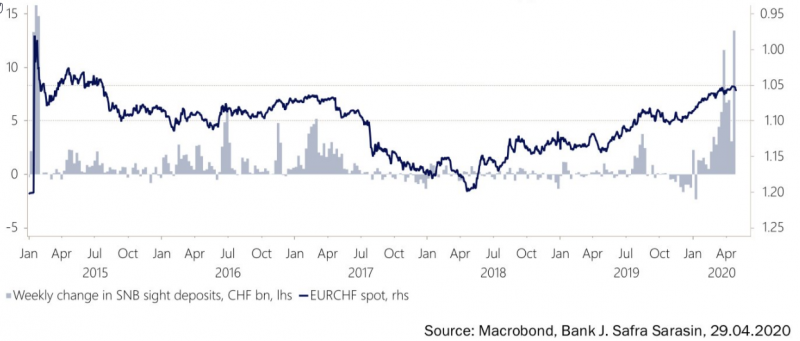
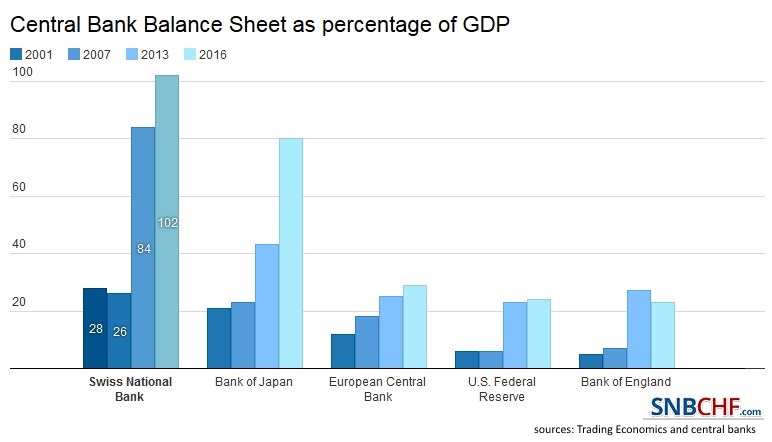
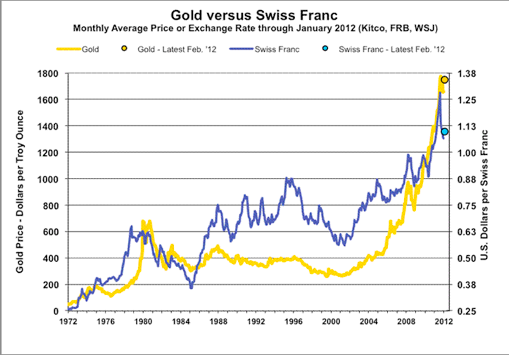
• Switzerland’s dilemma was underscored by today’s January CPI print. Under the EU harmonized methodology, Switzerland’s CPI was flat year-over-year at 0.2%. The core was also unchanged at 0.5%. The Swiss franc is near its best level against the euro since 2015 and the abandonment of the effort to cap the franc. In late January, the franc also reached an 11-year high against the dollar. The deposit rate is at zero and the two-year note yields minus 16 bp. The bar to a negative policy rate is high. Intervention is complicated by the desire to preserve the allocation of euros and dollars. Purchasing euros in the first instance requires selling some for dollars. Given that Switzerland’s current account surplus was nearly 9.0% of GDP in 2024 and 8.5% last year, intervention to stop the franc from appreciating could irk the mercurial US administration.
• Japan’s MOF reported that Japanese investor turned sellers of foreign bonds in the first week in February. In the first six weeks of the year, Japanese investors were buyers in three weeks. They have been buyers of foreign equities for the five weeks. For their part, foreign investors have been buyers of Japanese stocks every week so far this year but turned sellers of Japanese bonds ahead of last week’s election for the first time this year.
• China reported that house prices continued to fall at the start of the new year. New houses (in 70 cities) fell by 0.37% in January. They have fallen every month since May 2023. They fell by an average of about 0.25% a month in 2025 and twice that in 2024. Existing home prices have been falling faster. Last year’s average monthly decline was a little more than 0.5% and in 2024, 0.70%. In January, they slipped by 0.54%. Falling house prices are thought to be behind the uninspiring demand for goods, especially for luxury goods. Separately, credit expansion was stronger than expected last month, led by government borrowing (~CNY1 trillion in net financing of government bonds). Households and companies pulled back.
You Might Also Like
 Reserve Bank of Australia Hikes Rates and Sees Another this Year
2026-02-03
The sense of anxiety that hung over the capital markets eased today. Equity markets are higher and the meltdown in gold and silver brought in new buying. The US dollar is mostly a little softer, but its upside correction does not appear over. Most emerging market currencies are firmer today, led by the unlikely Indian …
 BOJ Maintains Steady Policy, Heightened Intervention Watch, while PBOC sets Dollar Fix Below CNY7.0
2026-01-23
The dollar is mixed as the last North American session of the week gets underway. As widely expected, the Bank of Japan left rates on hold and the gyrations of the yen immediately afterward gave rise to some speculation of material intervention. We are a bit skeptical but recognize the heightened verbal intervention and the …
 Drama Unfolds: Stocks, Bonds, and the Dollar have Been Sold
2026-01-20
The markets are reacting dramatically to recent developments. Stocks and bonds have been sold, gold and silver are at record highs, and the US dollar has been sold aggressively. President Trump is in Davos and has not relented on his demand for Greenland and he seeks to cajole others into joining the board to oversee the reconstruction of Gaza.
 US Dollar Remains Soft Despite Disappointing UK Growth and Eurozone Industrial Output
2025-11-13
Overview: The US dollar is trading heavier against most of the world’s currencies today. Better than expected Australian employment data, which boosts speculation that the central bank’s easing cycle is over, helps explain the Australian dollar’s gain to its best level of the month. However, sterling is firm and extended yesterday’s gains despite news that …
Tags: Currency Movement,Featured,newsletter