



How Government Debt Reduces Your Buying Power
2025-07-03
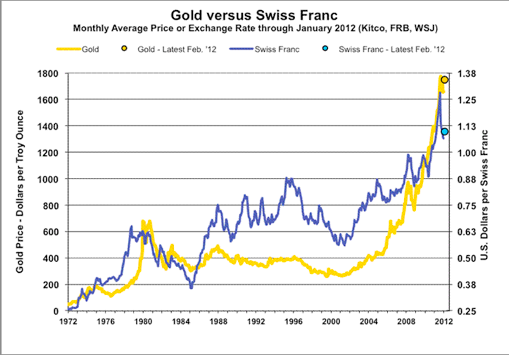
History tells us the preferred path for government policymakers trying to deal with too much debt is lowering interest rates and devaluing the currency the debt is denominated in.
Doing this is a very hidden way of reducing wealth, because as your currency goes down, it makes it look like other things are going up. But despite the downsides, this wealth shrinkage and reduction in buying power is favored by policy makers precisely because its impacts are less obvious than the alternatives.
At such times, you should expect interest rates and the currency’s value to fall.
#debt #raydalio
Ray Dalio on Why the U.S. Must Restructure Global Trade Deals

2025-06-17
We’re entering a period of history where countries must be much more self-sufficient.
Not just because of the debt and trade issues — and those imbalances are unsustainable — but also because of security.
With today’s geopolitical instability, a country like the U.S. can’t afford to be be dependent on imports from countries like China.
As a result, restructuring our trade relationships is critical and necessary.
At least, that’s what it looks like through my eyes. I’m curious to hear if you agree.
#raydalio #howcountriesgobroke #geopolitics #trade

The Reason I Studied 500 Years of History
2025-06-10
What’s happening now with money, debt, and credit has never happened before in our lifetime.
But it has happened many times in history, which is why I believe studying the past is so important. The same cycles repeat over and over again, and there are important lessons we can learn from those experiences.
If we apply that understanding to the issues we face today, we can increase the chances of positive geopolitical and economic outcomes. That’s good for all of us.
I enjoyed meeting with @imf to discuss this and answer questions about my new book, which dives deeper into these topics. It’s called How Countries Go Broke: The Big Cycle, and it’s available now.
If you’re interested in learning more about our collective debt burden — and what steps we can take to solve these issues —
How Countries Go Broke: The Big Cycle
2025-06-05
If I had to pick the most important chapter from my new book, How Countries Go Broke: The Big Cycle, this would be it. In fact, I think it’s so important that I wanted to make sure it was easily accessible for anyone who might be interested.
Because once you understand the big cycle and how it works, watching events unfold is like watching a movie that you have seen many times before.
That’s because the big cycle is a dynamic that has worked in the same basic way for thousands of years in all countries, driven by the same logical cause-effect relationships. Throughout history, certain forces have come together to drive these cycles and dramatically change the world order.
If you’re interested in learning more, you can buy the book on Amazon
25 pings
Skip to comment form ↓