







As geopolitical tensions rise, the Chinese political leadership tells the US government to desist pushing its "color revolutions."
Original Article: "China Calls Out the USA for Instigating the Infamous Color Revolutions"
Read More »
Category Archive: 6b.) Mises.org
The FTC Should Answer Its Call of Duty to Gamers

Read More »
School World Order
John Klyczek joins Michael on the first episode of REKT. John (jakE) is the author of School World Order: The Technocratic Globalization of Corporatized Education. Topics include the behaviorist, collectivist, and eugenicist roots of public (and state-sanctioned private) education, the globalist organizations behind the stakeholder capitalism regime, and the making of "global citizens" through indoctrination and technocratic surveillance...
Read More »
Read More »
Sound Money Is Required for Real Budget Discipline
The usual suspects are "relieved" that Congress gave President Biden what he wanted on the so-called budget deal. Without sound money, however, the borrowing and spending regime will collapse sooner or later.
Original Article: "Sound Money Is Required for Real Budget Discipline"
Read More »
Read More »
Assumptions Matter Both in Economics and in the Real World

Read More »
How Capitalism Redefined Masculine Virtue
In the pre-industrial world, aggression and physical domination were often labeled as "masculine" virtues because they were useful for survival. The rise of the cooperative market economy changed all that.
Original Article: "How Capitalism Redefined Masculine Virtue"
Read More »
Read More »
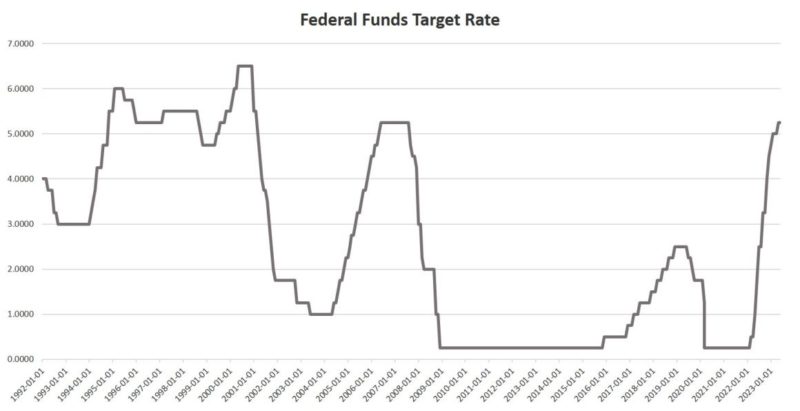
Powell Sends Mixed Messages as He Chickens Out on Rate Hikes
Read More »
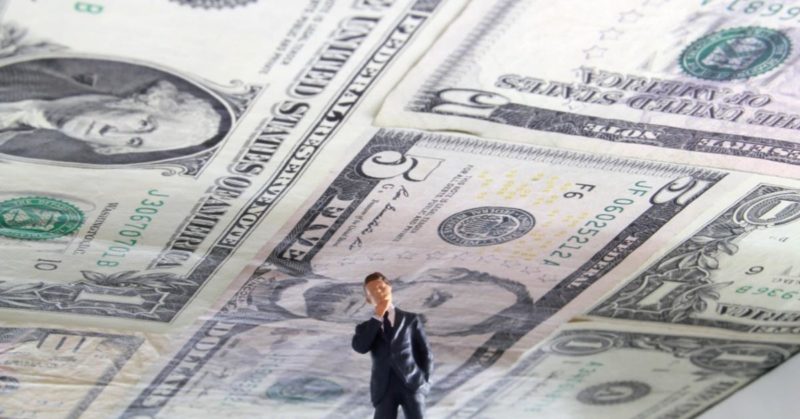
After the Debt Ceiling Deal: Look for Liquidity Problems in the Markets
Read More »
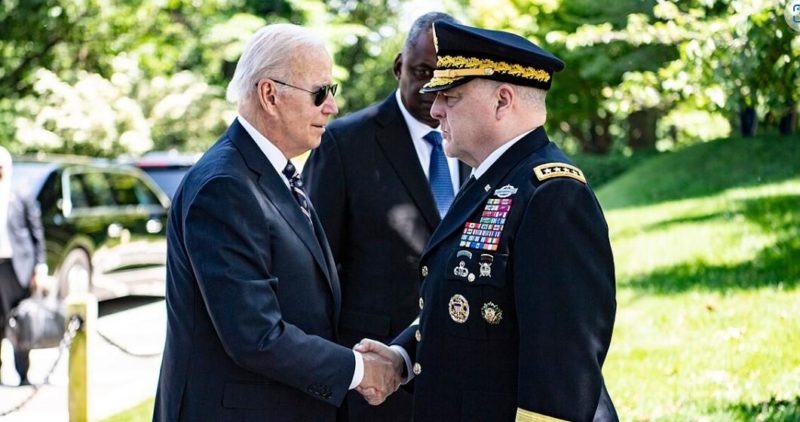
We Need a Peace President
Read More »
Technology Is Meaningless without Entrepreneurship
While many believe that technology is key to a growing economy, technology is useless without entrepreneurship, which develops uses for technology.
Original Article: "Technology Is Meaningless without Entrepreneurship"
Read More »
Read More »
Demonizing Men with False Data on Sexual Abuse

Read More »
Leviathan Is on the Menu

Read More »
More Federal Debt Means More Taxes, Less Growth, and Weaker Real Wages
Read More »
The Market Process Is Not a Knowledge Problem
While F.A. Hayek's famous 1945 essay effectively critiques the "perfect information" hypothesis, it is an inadequate explanation of the issue of economic calculation.
Original Article: "The Market Process Is Not a Knowledge Problem"
Read More »
Read More »
Why Do We Act against Our Self-Interest?

Read More »
Rise of the Effete Authoritarians
Political leaders of the so-called liberal Western regimes are engaging in authoritarian tactics to quell legitimate dissent. But leftists who riot and burn get a free pass.
Original Article: "Rise of the Effete Authoritarians"
Read More »
Read More »
Myth #3: Tax Increases Are a Cure for Deficits
Recorded by the Mises Institute in the mid-1980s, The Mises Report provided radio commentary from leading non-interventionists, economists, and political scientists. In this program, we present another part of "Ten Great Economic Myths". This material was prepared by Murray N. Rothbard.
Those people who are properly worried about the deficit unfortunately offer an unacceptable solution: increasing taxes. Curing deficits by...
Read More »
Read More »
The Fed Has Rigged the Stock Markets to Crash
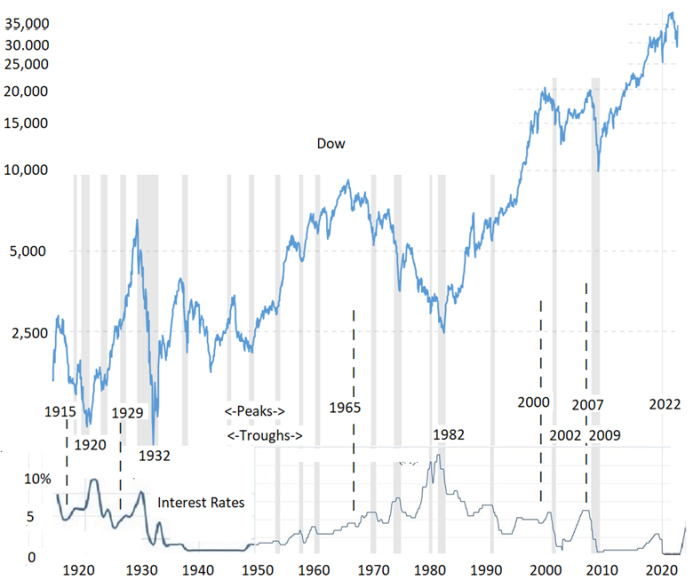
Read More »
Biden Wants Sanctions for Uganda Because Its Government Passed Anti-LGBT Laws
Just in case you wrongly thought sanctions had anything to do with national security: Biden wants to sanction the people of a small African country over anti-LGBT laws.
Original Article: "Biden Wants Sanctions for Uganda Because Its Government Passed Anti-LGBT Laws"
Read More »
Read More »
Opposing Critical Race Theory Doesn’t Make You a “White Supremacist”
Much of critical race theory and “antiracism” is aimed at pulling people apart, not bringing them together. To oppose such theories and practices is not racist in itself.
Original Article: "Opposing Critical Race Theory Doesn't Make You a 'White Supremacist'"
Read More »
Read More »
 On Swiss National Bank
-
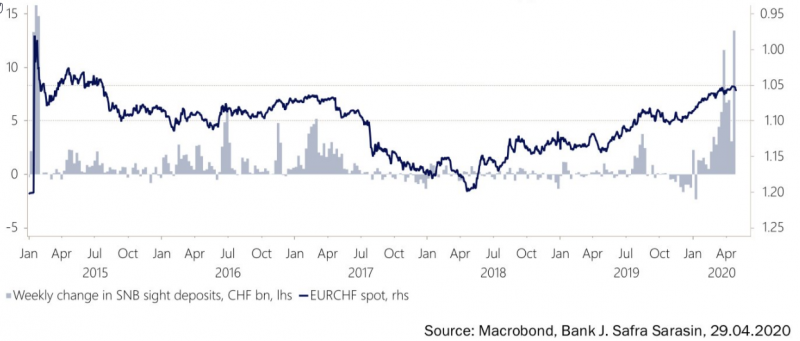
SNB Sight Deposits: decreased by 2.2 billion francs compared to the previous week
-
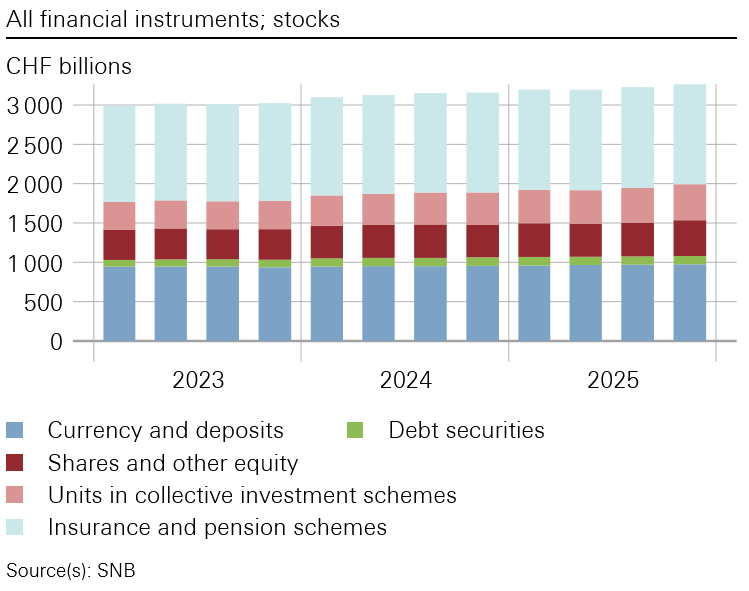
Household wealth in 2025
-
Heads up for NZD and CHF traders, RBNZ Gov Breman and SNB Chair Schlegel to speak
-
Swiss franc appreciation has led to tighter monetary conditions – SNB minutes
-
SNB’s Chairman Schlegel: A few months of negative inflation wouldn’t be a problem
Main SNB Background Info

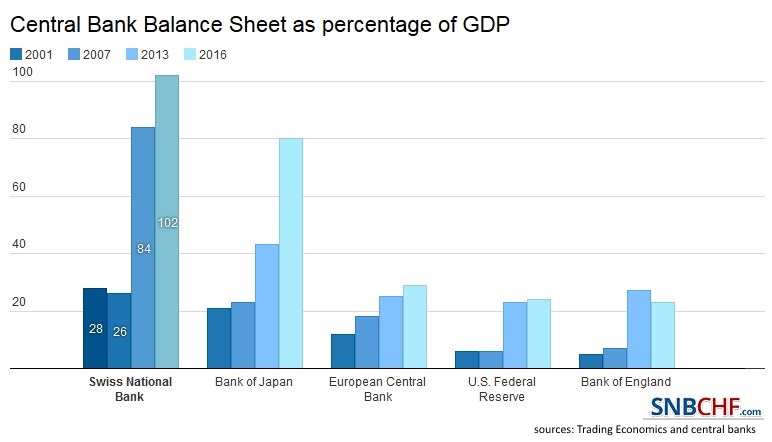
Featured and recent
-
 SNB Sight Deposits: decreased by 2.2 billion francs compared to the previous week
 -
 Corrections vs. Bear Markets: Why 20% Declines Are Obsolete
 -
 -40 Kilo! Ricarda Lang feiert Abnehmerfolg! Das Internet feiert!
 -
 Steuerrecht digitalisieren mit KI – eine gute Idee?
 -
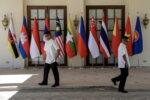 Why Switzerland is launching a charm offensive in Southeast Asia
 -
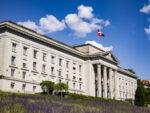 Ex-Raiffeisen bank CEO fined for tax evasion
 -
 The price of gold matters, but availability matters more.
 -
 FATAL: EU Chefdiplomatin blamiert ganz Europa! China außer sich!
 -
 India’s situation shows why physical gold is different from paper exposure.
 -
 ZUGRIFF auf dein Vermögen: So schützen sich INSIDER