



 by
by George Dorgan
My articles My siteAbout meMy videosMy books
Follow on:LinkedINTwitterSeeking Alpha
CFA SocietyEconomicBlogs
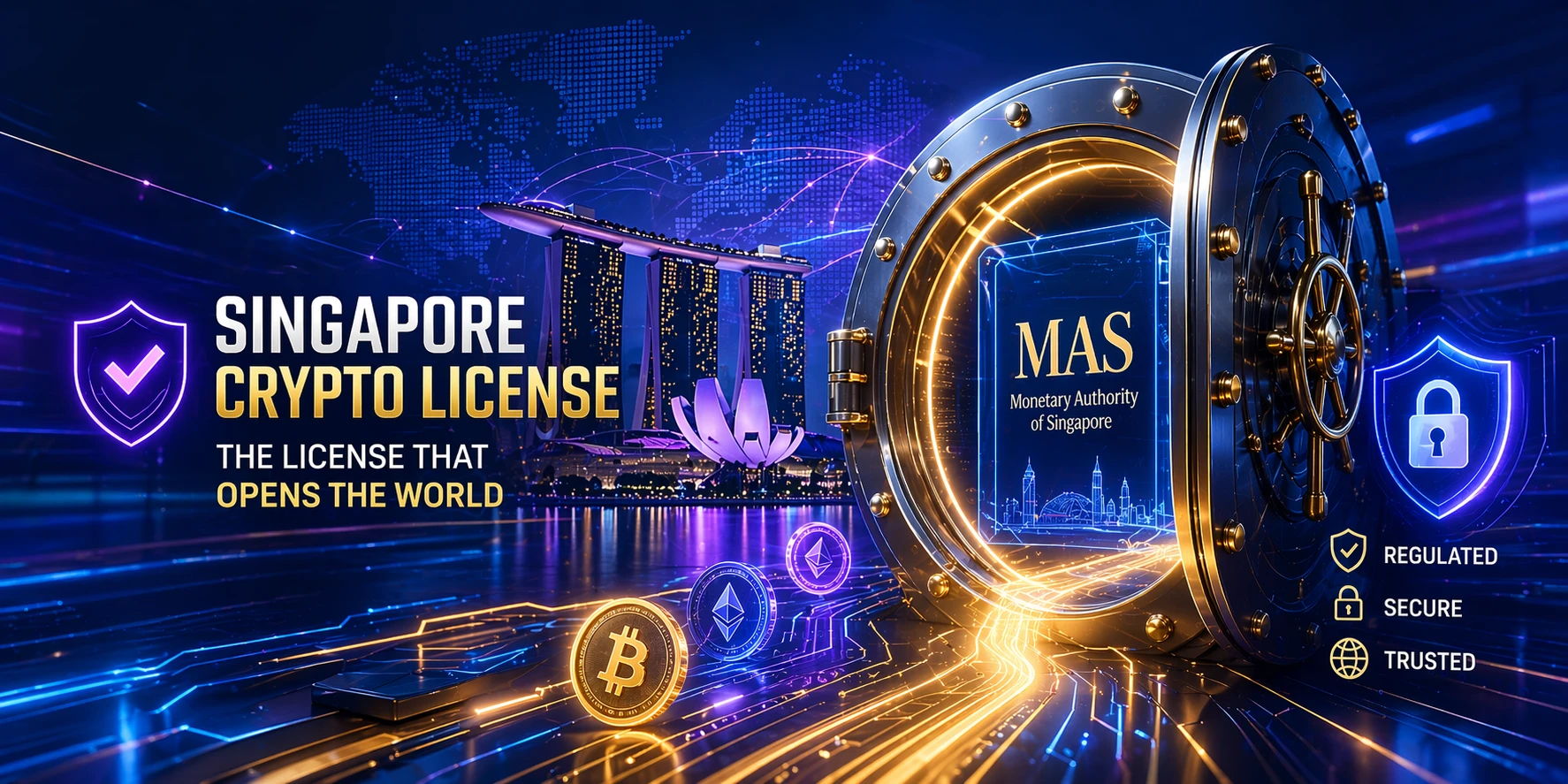
Ask any serious crypto operator which license carries the most weight globally, and Singapore comes up every time. Not because it’s easy to get – it’s one of the hardest. But that’s exactly the point. When the Monetary Authority of Singapore approves your business, the market notices.
The Regulatory Framework That Set the Standard
Singapore regulates crypto businesses under the Payment Services Act (PSA), in force since 2020 and significantly updated in 2023. Unlike jurisdictions that retrofitted old financial laws to fit crypto, Singapore built a purpose-designed framework from scratch. Cryptocurrency falls under the “digital payment token” (DPT) category, and any business operating in this space – exchanges, wallets, custodians – must hold a payment institution license issued by MAS.
MAS is not a passive regulator. It updates guidelines regularly, monitors licensees actively, and expects companies to keep pace with every change. The 2023 amendments expanded regulated activities to include custodial services and cross-border transfers – catching several mid-process applicants off guard. Knowing the rules as they stand today matters more than knowing them as they were written.
SPI or MPI – and Why Most Serious Players Choose the Latter
There are two relevant license types under the PSA. The Standard Payment Institution (SPI) is for businesses with monthly crypto transaction volumes below SGD 3 million per service; minimum capital is SGD 100,000. The Major Payment Institution (MPI) kicks in above those thresholds, requires SGD 250,000 in capital, and carries additional security deposit obligations.
Most established exchanges target the MPI from day one – not because they’re forced to, but because it signals scale and seriousness to banking partners and institutional clients. Both license types require registration under Activity F: Digital Payment Token Service. Timeline from submission to approval typically runs 6 to 12 months, depending heavily on the quality of the initial application.
What MAS Actually Scrutinizes
The formal requirements are well-known: local incorporation, qualified directors, sufficient capital, robust AML/KYC policies aligned with MAS Notice PSN02, and IT infrastructure meeting the regulator’s technology risk guidelines. Background checks cover directors, major shareholders, and key staff.
What’s less obvious is that MAS reviewers look for internal coherence. Your business plan, compliance framework, capital structure, and target market need to tell one consistent story. A retail DPT wallet requires a different risk profile than an institutional exchange. Inconsistencies between application sections are the most common trigger for requests for additional information – which can add months to an already long process. A well-prepared submission moves through review in six months; a sloppy one can take twice that with no guaranteed outcome.
Taxes: Favorable, But Precise
Corporate tax stands at 17%, with effective rates often lower due to startup exemptions. There is no capital gains tax, crypto transactions are generally GST-exempt, and offshore income not remitted to Singapore may be excluded from local taxation. In return, licensed companies file annual accounts, keep five years of transaction records, and face independent audits at scale. The advantage is real – but it exists within a transparent reporting framework, which is precisely why Singapore’s tax standing is trusted by banks and investors worldwide.
Prifinance: 30 Years, 400+ Licenses, One Clear Focus
Getting a crypto license Singapore without specialist support is technically possible – but it’s a high-risk approach in a jurisdiction that leaves little room for error. This is where Prifinance comes in. Operating since 1995, with a team of 100+ specialists across legal, compliance, and finance, the company has facilitated over 400 licensing approvals across 40+ jurisdictions including MAS Singapore, EU MiCA, Dubai VARA, and multiple offshore frameworks.
Prifinance doesn’t just prepare documents. The team analyzes the business model before submission to catch inconsistencies, builds AML/KYC frameworks tailored to the specific risk profile, manages MAS communication throughout the review period, and assists with corporate banking – still one of the hardest practical problems for newly licensed crypto firms. The difference between a structured application and an improvised one often determines whether you’re approved in six months or still waiting after fourteen.
Start the Process the Right Way
If Singapore is on your roadmap, the time to start preparing is now. Visithttps://prifinance.com/ to book a free consultation and find out exactly what licensing in Singapore means for your specific business – structure, timeline, costs, and the compliance roadmap that comes after approval.
Are you the author?
Tags: