















Monthly Archive: March 2018
FX Daily, March 13: Non-Economic Developments Dominate Ahead of US CPI
Many see the eruption of the scandal that threatens senior government officials as yen positive because it weakens those that ostensibly want to depreciate the yen through monetary policy. The scandal involves falsifying documents to conceal a sweetheart deal. The government sold of state-owned land to a school-operator, reportedly with connections to Prime Minister Abe's wife at an incredibly low price.
Read More »
Read More »
Weekly Technical Analysis: 12/03/2018 – USDJPY, EURUSD, GBPUSD, Gold
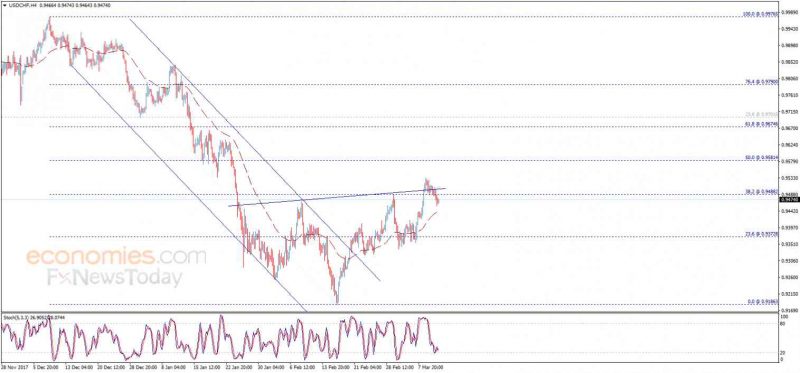
The USDCHF pair traded negatively yesterday to break 0.9488 and settles below it, which stops the positive effect of the recently mentioned bullish pattern and push the price to decline again, targeting heading towards 0.9373 initially.
Read More »
Read More »
How hot politics in the Balkans slowed the clock on your oven
Switzerland’s power grid is part of a large pool of ebbing and flowing electricity spanning 25 countries, known as the Continental European (EC) power grid. Enough electricity must be fed into it to keep it at a stable frequency. The EC’s magic number is 50 Hz. Maintaining this requires a carefully coordinated trans-national balancing act. When electricity consumption rises, power stations across the network must work harder.
Read More »
Read More »
Swiss politicians with links to health sector can still fully participate in health commissions
Lukas Reimann, a parliamentarian and member of the Swiss Peoples Party (UDC/SVP), fought to have parliamentarians paid by health companies partially excluded from government commissions dealing with health issues. He thinks vested interests are behind high health premiums and that cartels must be broken.
Read More »
Read More »
China Prices Include Lots of Base Effect, Still Undershoots
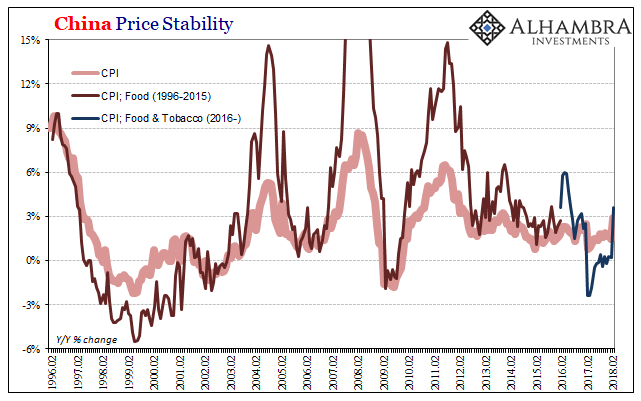
By far, the easiest to answer for today’s inflation/boom trifecta is China’s CPI. At 2.9% in February 2018, that’s the closest it has come to the government’s definition of price stability (3%) since October 2013. That, in the mainstream, demands the description “hot” if not “sizzling” even though it still undershoots. The primary reason behind the seeming acceleration was a more intense move in food prices.
Read More »
Read More »
Stock and Bond Markets – The Augustine of Hippo Plea
Most fund managers are in an unenviable situation nowadays (particularly if they have a long only mandate). On the one hand, they would love to get an opportunity to buy assets at reasonable prices. On the other hand, should asset prices actually return to levels that could be remotely termed “reasonable”, they would be saddled with staggering losses from their existing exposure. Or more precisely: their investors would be saddled with staggering...
Read More »
Read More »
ECB begins to rotate forward guidance
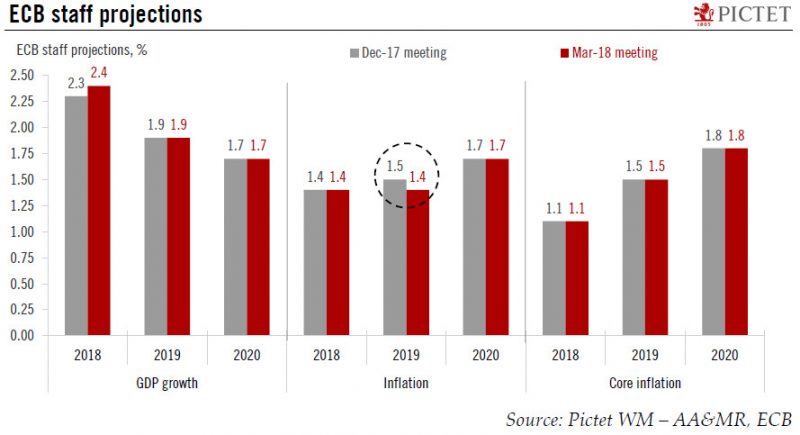
The ECB made one small change to its communication in March consistent with a normalisation process that is likely to remain very gradual. In line with our expectations, today the Governing Council (unanimously) decided to drop its commitment to increase asset purchases “in terms of size and/or duration” if needed, which had steadily become more difficult to justify and less credible anyway.
Read More »
Read More »
FX Weekly Preview: Another Goldilocks Moment
Spring is around the corner in the Northern Hemisphere, and with it, a sense of a Goldilocks moment. Growth is sufficiently strong to see employment grow and absorb the economic slack. In the US, the participation rate of the key 25-54 aged demographic group has risen and now stands at 89.3%, the highest since 2010.
Read More »
Read More »
Drive for women in top jobs suffers setback
The percentage of women in top executive positions dropped slightly in Switzerland last year, a report has found. The annual survey by the Schilling human resource consultancyexternal link shows a 1% drop to 7% in 2017 compared with the previous year. In 2016, the share of women in company executive positions had risen by 2%, raising hopes of a strong increase over the years to come.
Read More »
Read More »
Stock Market Selloff Showed Gold Can Reduce Portfolio Risk
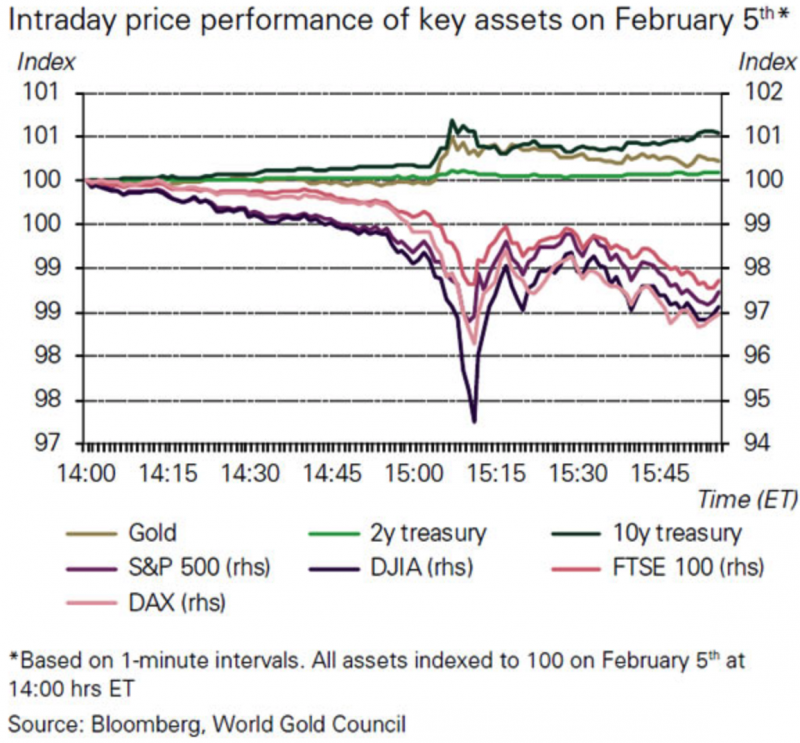
Stock Market Selloff Showed Gold Can Reduce Portfolio Risk. Recent stock market selloff showed gold can deliver returns and reduce portfolio risk. Gold’s performance during stock market selloff was consistent with historical behaviour. Gold up nearly 10% in last year but performance during recent selloff was short-lived. The stronger the market pullback, the stronger gold’s rally. WGC: ‘a good time for investors to consider including or adding gold...
Read More »
Read More »
Global Asset Allocation Update: Tariffs Don’t Warrant A Change…Yet
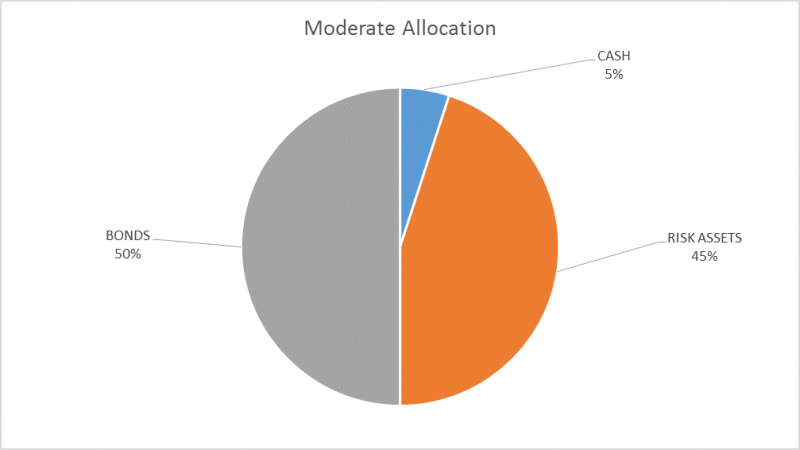
There is no change to the risk budget this month. For the moderate risk investor the allocation to bonds is 50%, risk assets 45% and cash 5%. We have had continued volatility since the last update but the market action so far is pretty mundane. The initial selloff halted at the 200 day moving average and the rebound carried to just over the 50 day moving average.
Read More »
Read More »
Emerging Markets: Preview Week Ahead
EM FX ended Friday on a firm note and capped off a mostly firmer week. MXN, KRW, and ZAR were the best performers last week, while CLP, CZK, and PLN were the worst. US jobs data was mixed, with markets focusing on weak average hourly earnings rather than on the strong NFP number. Still, the data did nothing to change market expectations for a 25 bp by the FOMC this month.
Read More »
Read More »
Women’s Pension Crisis Highlights Dangers To Savers
Women’s Pension Crisis Highlights Dangers To Savers.
– International Women’s Day highlights the underreported UK Women’s pension crisis.
– 2.66 million affected by UK government’s change to state pension act.
– Women’s pension crisis is one of many in the UK, where there is a £710bn deficit for prospective retirees.
– Changes by government highlights the counterparty risks pensions are exposed to.
– Global problem as pensions gap of developed...
Read More »
Read More »
Meat sales drop in Switzerland
Less meat was sold in Switzerland in 2017 than the previous year, although the average Swiss still consumed a good 26 kilograms of meat over the year. Sales of domestic and imported meat fell by 0.7% to 221,468 tonnes, the Federal Office for Agricultureexternal link reported. Turnover also dropped by 0.7% to CHF4.64 billion ($4.95 billion).
Read More »
Read More »
Tax ‘total meltdown’ averted
More than 84% of voters have renewed the government’s right to tax its citizens and companies for another 15 years. This is a unique feature of Switzerland’s political system of direct democracy and federalism. Live results of March 04 2018 ballot: Licence fee for public broadcasters and Federal taxes 2021.
Read More »
Read More »
China Exports: Trump Tariffs, Booming Growth, or Tainted Trade?
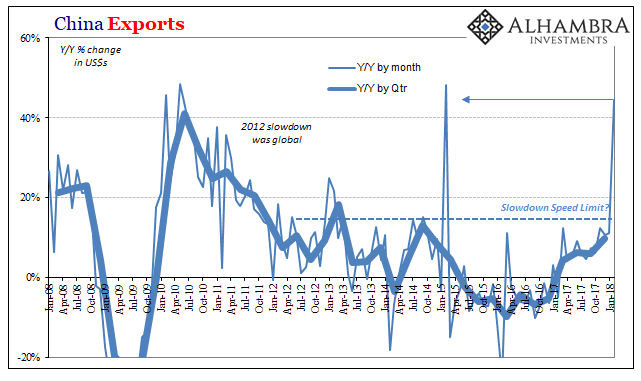
China’s General Administration of Customs reported that Chinese exports to all other countries were in February 2018 an incredible 44.5% more than they were in February 2017. Such a massive growth rate coming now has served to intensify the economic boom narrative.
Read More »
Read More »
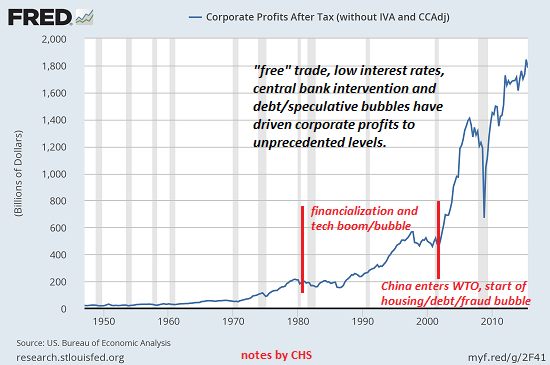
Forget “Free Trade”–It’s All About Capital Flows
Defenders and critics of "free trade" and globalization tend to present the issue as either/or: it's inherently good or bad. In the real world, it's not that simple. The confusion starts with defining free trade (and by extension, globalization).
Read More »
Read More »
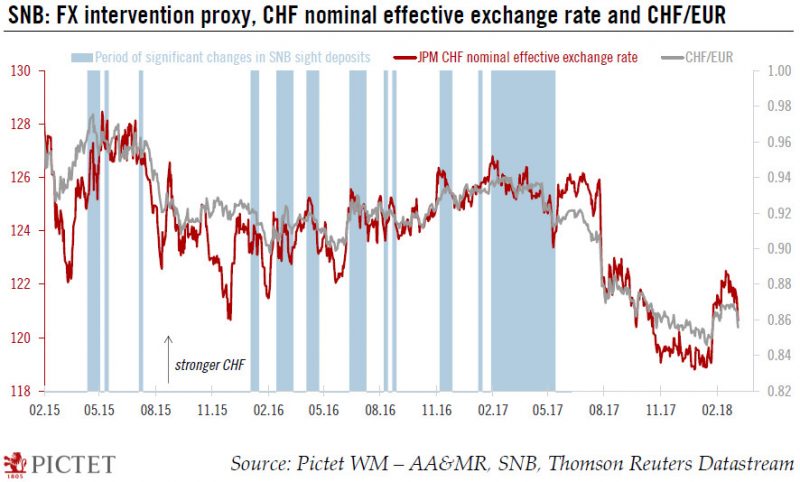
Europe chart of the week – SNB FX intervention
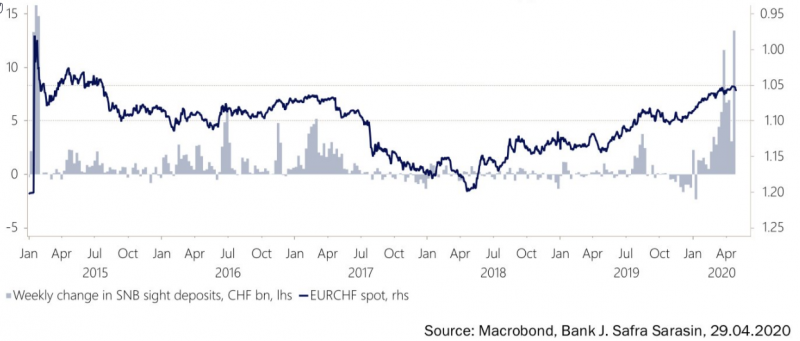
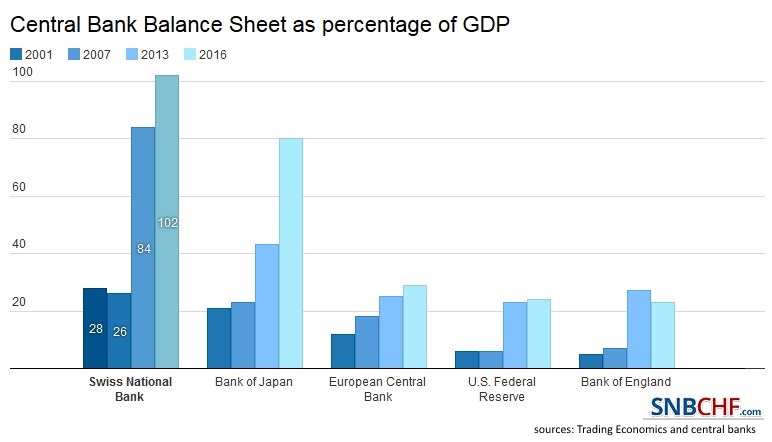
In the wake of the financial crisis, the Swiss National Bank (SNB) increased massively the monetary base to provide liquidity and limit the Swiss franc’s appreciation. The expansion in the monetary base can essentially be seen in the form of an increase in sight deposits held by domestic Swiss banks at the SNB.
Read More »
Read More »
UBS publishes Annual Report 2017
Zurich/Basel, 9 March 2018 – The Annual Report 2017 provides comprehensive and detailed information on the firm, its strategy, business, governance, financial performance and risk, treasury and capital management, as well as on the regulatory and operating environment for the financial year 2017.
Read More »
Read More »
UBS chief’s pay rises to over CHF14 million
The chief executive of Switzerland’s largest bank UBS received CHF14.2 million ($14.92 million) in compensation for 2017, up from CHF13.7 million in 2016, UBS said on Friday. The announcement comes at a time when executive pay and bonuses are under increased scrutiny in Switzerland.
Read More »
Read More »