







Money proper is not artifice. It is a physical "thing" of value, acquired through labor and emerging out of the needs of individuals, who through voluntary exchanges determine its value.
Original Article: "Is It Real Money or Just Artifice?"
This Audio Mises Wire is generously sponsored by Christopher Condon.
Read More »
Category Archive: 6b.) Mises.org
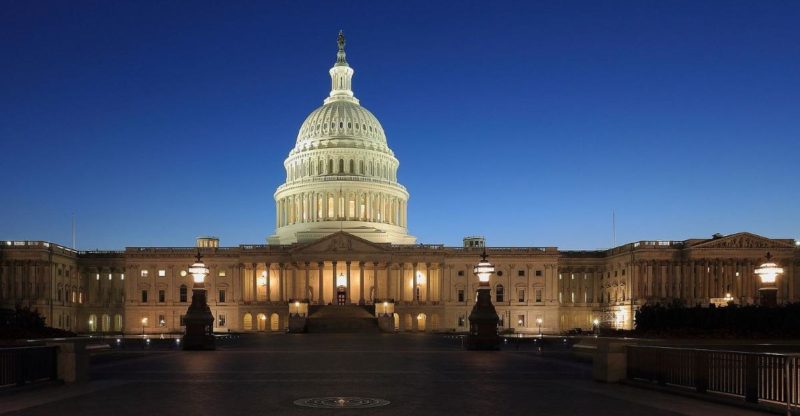
The RESTRICT Act Will Only Restrict Our Liberties
Read More »
Sharekh Shaikh On The Digital Revolution In Market Research
Market research is a tool for gathering data about customers and consumers that businesses hope will lead to insights about their behaviors and preferences that can be translated into innovation, better service and better business performance. As with any dynamic system, it has changed over time, and the effects of entropy have begun to show themselves in invalid techniques, invalid data, and invalid conclusions. And as with virtually all business...
Read More »
Read More »
Politics Is Turning Us into Idiots
From race to gender to nearly everything else, decisions about what is correct or incorrect are made according to politics. This is a recipe for social destruction.
Original Article: "Politics Is Turning Us into Idiots"
This Audio Mises Wire is generously sponsored by Christopher Condon.
Read More »
Read More »
Who Are the Wealth Destroyers, Politicians or Billionaires?

Read More »
The Fed’s Capital Goes Negative

Read More »
To Fight the State, Build Alternatives to the State
The challenge at hand is more than simply opposing the state. Rather, it is necessary to build up, reinforce, and sustain institutions that can offer alternatives to the state.
Original Article: "To Fight the State, Build Alternatives to the State"
This Audio Mises Wire is generously sponsored by Christopher Condon.
Read More »
Read More »
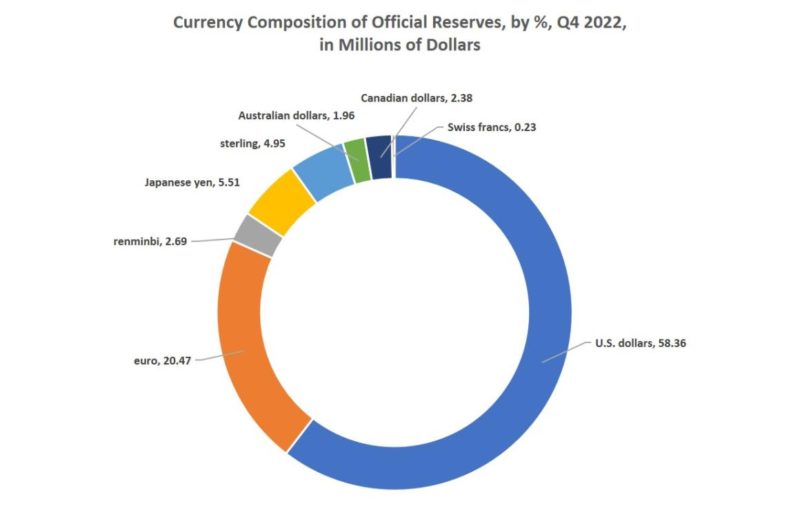
Why the Regime Needs the Dollar to Be the Global Reserve Currency
Read More »
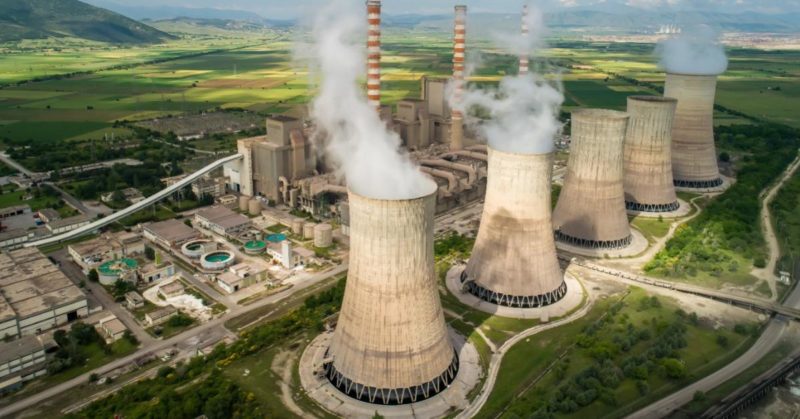
What Our Energy Future Be? A Few Ideas
Read More »
Is the Fed Trying to Bail Out the World? Sure Looks Like It
Like the arsonist who then heroically fights the fire he set, the Fed is increasing its efforts to bail out banks both at home and abroad. This does not end well.
Original Article: "Is the Fed Trying to Bail Out the World? Sure Looks Like It"
This Audio Mises Wire is generously sponsored by Christopher Condon.
Read More »
Read More »
Cancel Culture: The Digital Panopticon

Read More »
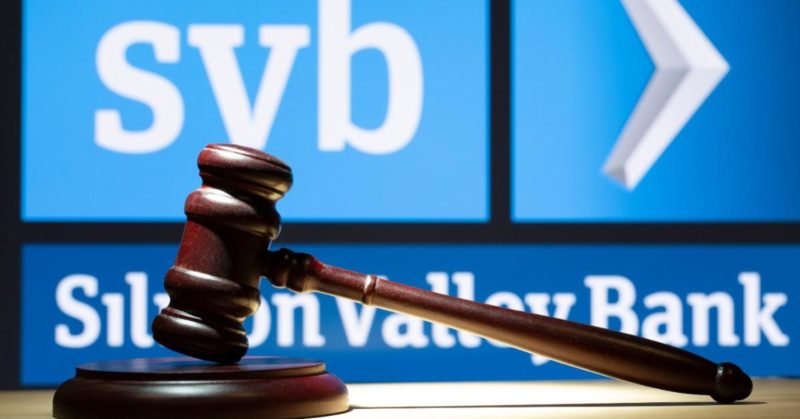
SVB’s Failure Is Not an Excuse for More Regulation
Read More »
Peasants, Rise Up! The Croquants of the 17th Century
Seventeenth-century French kings and their minions did not impose an accelerating burden of absolutism without provoking grave, deep, and continuing opposition. Indeed, there were repeated rebellions by groups of peasants and nobles in France from the 1630s to the 1670s. Generally, the focus of discontent and uprising was rising taxes, as well as the losses of rights and privileges. There were also similar rebellions in Spain in mid-century, and in...
Read More »
Read More »
Why Most of the World Isn’t on Board with the NATO-Russia War
Many governments support continuing the Ukraine war, but ordinary people in Europe, America, and the developing world fear the war will bring economic disaster.
Original Article: "Why Most of the World Isn't on Board with the NATO-Russia War"
This Audio Mises Wire is generously sponsored by Christopher Condon.
Read More »
Read More »
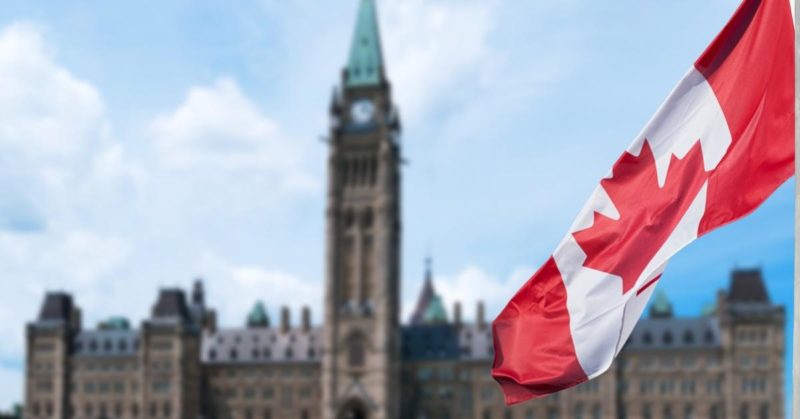
Canada’s Impotent Justice System Is the Product of Dysfunctional Canadian Democracy
Read More »
Bipartisanship Is Not a Substitute for Voluntary Exchange
Politicians tout "bipartisanship"—that often just means one's pocket will be picked even more cleanly.
Original Article: "Bipartisanship Is Not a Substitute for Voluntary Exchange"
This Audio Mises Wire is generously sponsored by Christopher Condon.
Read More »
Read More »
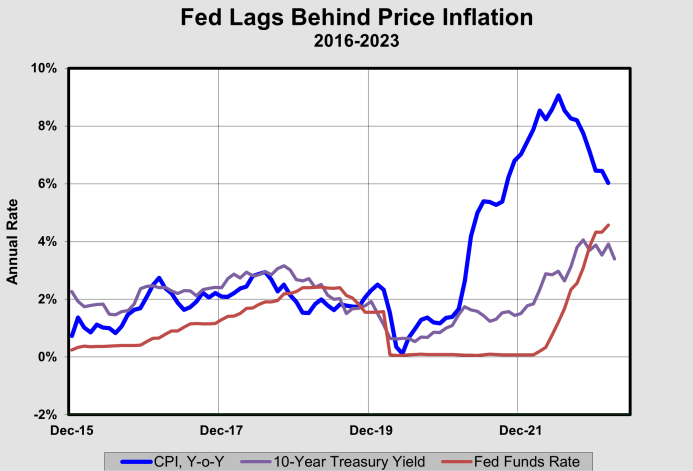
Would Stress Tests Have Prevented the Failure of SVB? Probably Not
Read More »
Why Fractional Reserve Banking Is behind Bank Failures
Suppose an addict had the ability to magically create, ex nihilo, his own stimulating drug, as fractional reserve banks can do with money and credit. Would you expect moderation?
Original Article: "Why Fractional Reserve Banking Is behind Bank Failures"
This Audio Mises Wire is generously sponsored by Christopher Condon.
Read More »
Read More »
Climate Activism: The Second Children’s Crusade
The "first" Children's Crusade of 1212 ended in tragedy for those taking part. The "second" crusade is not going to produce any happy endings, either.
Original Article: "Climate Activism: The Second Children’s Crusade"
This Audio Mises Wire is generously sponsored by Christopher Condon.
Read More »
Read More »
The Price of Gold
Mark is not fooling around today. He looks back at the history of gold and its price, which some believe is too erratic and too unstable (like Bitcoin) to serve as a basis of a monetary system. Mark shows that it is not gold that destabilizes events in the real world, but rather real world events related to political decision-making that has made the price of gold unstable. The price of gold is a "minor" indicator of what governments are...
Read More »
Read More »
 On Swiss National Bank
-
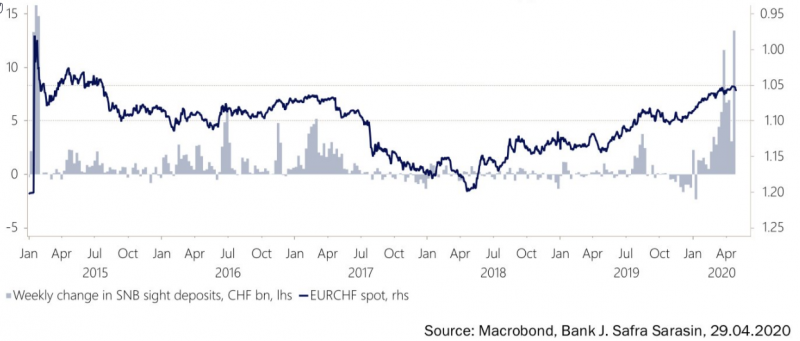
SNB Sight Deposits: decreased by 5.7 billion francs compared to the previous week
-
SNB’s Chairman Schlegel: A few months of negative inflation wouldn’t be a problem
-
2025-07-31 – Interim results of the Swiss National Bank as at 30 June 2025
-
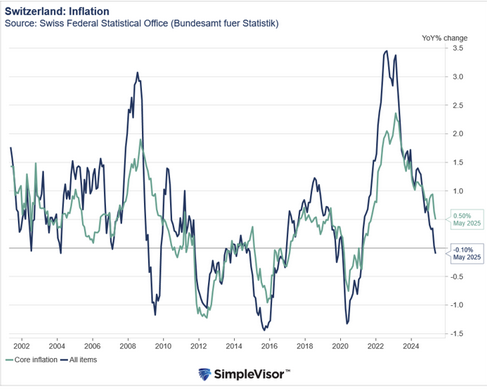
SNB Brings Back Zero Percent Interest Rates
-
Hold-up sur l’eau potable (2/2) : la supercherie de « l’hydrogène vert ». Par Vincent Held
Main SNB Background Info

Featured and recent
-
 Auswandern mit Familie – Deine Checkliste #thorstenwittmann #finanzstrategien #freiheit #auswandern
 -
 Trumps Außenpolitik: Strategie oder Wahnsinn?
 -
 The Bear Market Hiding Beneath The Calm Surface
 -
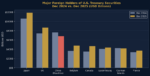 The Dollar’s Plumbing: Conspiracy Vs. Data
 -
 Neuer Schufa Score: Warum mir 201 Punkte fehlen
 -
 “Ölpreis bis zu 300 USD möglich“ – die Welt wird neu aufgeteilt | Währungsexperte Jürgen Wechsler
 -
 Ras Laffan getroffen – beginnt jetzt die globale Energiekrise?
 -
 What central banks are really signalling with their record gold purchases
 -
 Öl, Gold & Aktien: Warum ich jetzt absolut optimistisch bleibe
 -
 Deep Fakes erkennen – aber wie? | Ernst Wolff