







Walter Bagehot, as Jim Grant writes, believed that bankers and central bankers should exhibit financial discipline. He would not recognize today's banking world.
Original Article: "From Discipline to No Discipline: The Sorry Evolution of Modern Banking"
Read More »
Category Archive: 6b.) Mises.org
Does GDP Present an Accurate Picture of the Economy? Not Likely
Read More »
Divide and Control: Central Bankers Blame the Victims
Read More »
Endangering Washington’s Divine Right to Deceive
Official Washington and its Court Media are up in arms that someone has told the truth via leaking government documents. They won't rest until he is punished severely.
Original Article: "Endangering Washington's Divine Right to Deceive"
This Audio Mises Wire is generously sponsored by Christopher Condon.
Read More »
Read More »
How to Teach Austrian Economics to the Neighbor Kids

Read More »
Congress Ignores Real Debt Ceiling Drama
Read More »
Why Do Most Countries Have Their Own Currency? Governments Wanted It That Way.
Even when currency is backed by gold, governments have many political reasons to pursue national, territorial currencies. Now there are hundreds of national currencies. It didn't have to be this way.
Original Article: "Why Do Most Countries Have Their Own Currency? Governments Wanted It That Way."
Read More »
Read More »
Paying the Piper: Time to Clean Up the Latest Malinvestments
Read More »
How the Woke Left Is Destroying Education
Adherents of leftist dogma increasingly push the notion that teachers should be permitted to distract, confuse, or influence their students by discussing their personal beliefs, ideas, and private activities and choices in the classroom.
Original Article: "How the Woke Left Is Destroying Education"
This Audio Mises Wire is generously sponsored by Christopher Condon.
Read More »
Read More »
Historical Effects of the Transatlantic Slave Trade
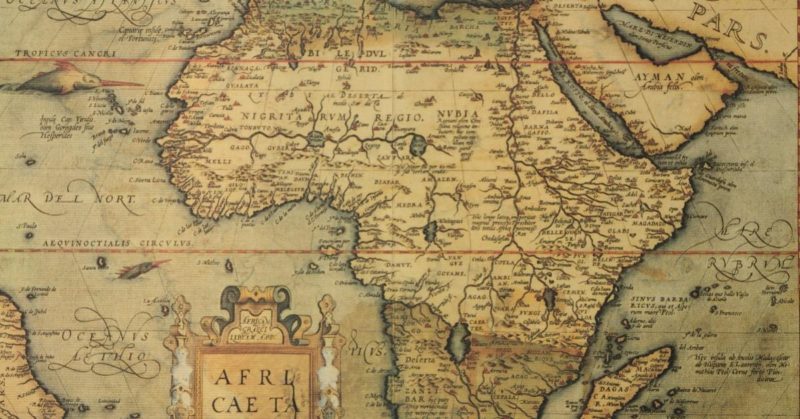
Read More »
Presidents Are Legally Immune for Their Most Dangerous Crimes
Donald Trump legally pays hush money and prosecutors try to fashion a crime from it. However, if a president lies and thousands of people die, it is called foreign policy.
Original Article: "Presidents Are Legally Immune for Their Most Dangerous Crimes"
This Audio Mises Wire is generously sponsored by Christopher Condon.
Read More »
Read More »
Charles Schwab and Other Big Banks May Be Secretly Insolvent
Read More »
Property, Civilization, and Culture: Mises in Reno
"The foundation of any and every civilization, including our own, is private ownership of the means of production. Whoever wishes to criticize modern civilization, therefore, begins with private property." — Ludwig von Mises
Every day, more and more Americans are awakening to the reality that the institutions in control of this nation are failing them. From violence in the streets, inflation in our stores, increasing tyranny and...
Read More »
Read More »
It Hurts to Pay for Strained China-USA Relations
American politicians are beating war drums. They forget that bad relations are costly in many ways.
Original Article: "It Hurts to Pay for Strained China-USA Relations"
This Audio Mises Wire is generously sponsored by Christopher Condon.
Read More »
Read More »
Why Do Banks Still Fail?
Despite all of the supposed safeguards to prevent bank failures, banks still fail. Perhaps the so-called safeguards are causing much of the trouble.
Original Article: "Why Do Banks Still Fail?"
This Audio Mises Wire is generously sponsored by Christopher Condon.
Read More »
Read More »
Do We Need a “National Divorce”? It’s Not a New Idea
We are hearing calls both from right and left for an amicable national divorce. In truth, the states were never "hitched" in the first place, at least not by any plausible definition of marriage.
Original Article: "Do We Need a "National Divorce"? It's Not a New Idea"
This Audio Mises Wire is generously sponsored by Christopher Condon.
Read More »
Read More »
Investing in Gold
Mark discusses something bigger than the Disney layoffs: the Wall Street Journal's April 25 frontpage article on investing in gold. It would seem that the recent rise of the price of gold is the result of tired, dumb, and disillusioned crypto currency investors throwing in the towel to "chase shiny new object—gold." Mark explains that the rational reasons for investing in gold loom larger than the entire Magic Kingdom!
Be sure to...
Read More »
Read More »
Rothbard: The Myth of Tax “Reform”
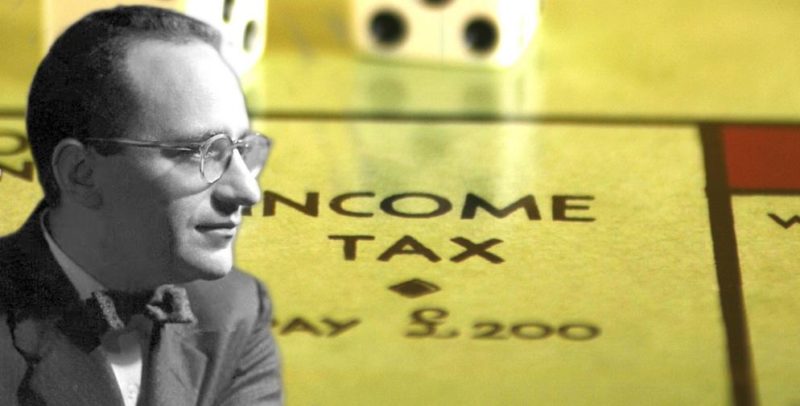
Read More »
Due Process or Transgender Protection on Campus?

Read More »
How the Dollar Became the World’s Top Global Currency
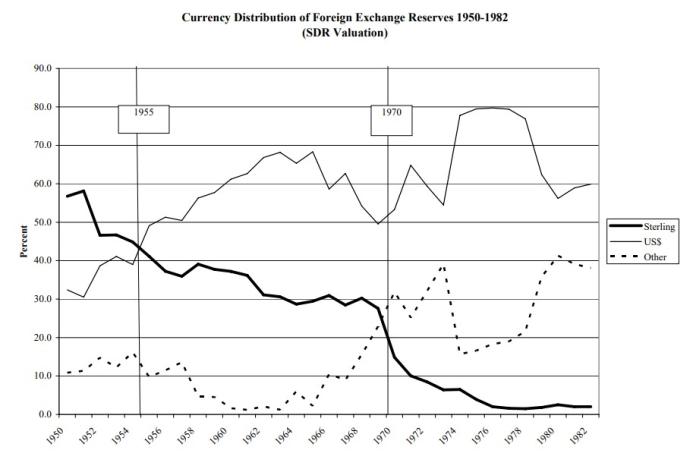
Read More »
 On Swiss National Bank
-
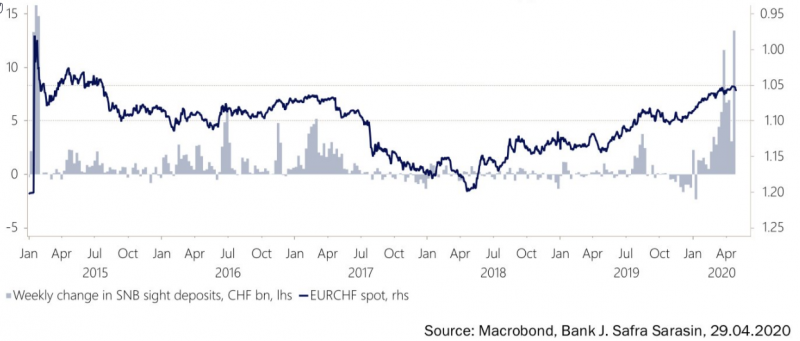
SNB Sight Deposits: decreased by 5.7 billion francs compared to the previous week
-
SNB’s Chairman Schlegel: A few months of negative inflation wouldn’t be a problem
-
2025-07-31 – Interim results of the Swiss National Bank as at 30 June 2025
-
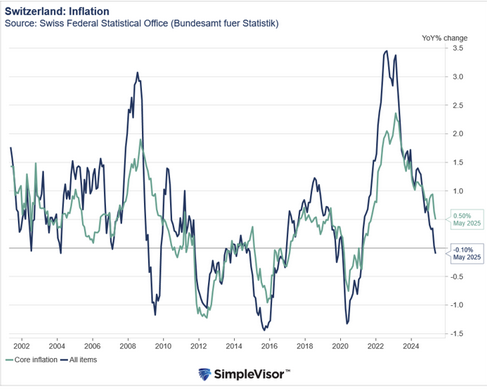
SNB Brings Back Zero Percent Interest Rates
-
Hold-up sur l’eau potable (2/2) : la supercherie de « l’hydrogène vert ». Par Vincent Held
Main SNB Background Info

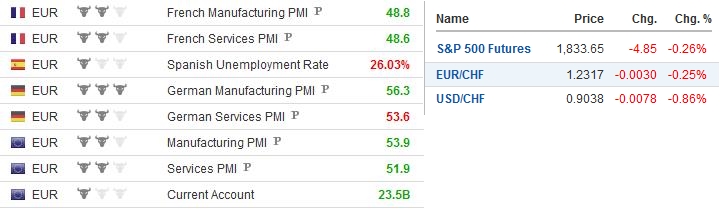
Featured and recent
-
 3-20-26 Tax Strategies That Actually Save You Money
 -
 Auswandern mit Familie – Deine Checkliste #thorstenwittmann #finanzstrategien #freiheit #auswandern
 -
 Trumps Außenpolitik: Strategie oder Wahnsinn?
 -
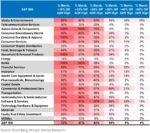 The Bear Market Hiding Beneath The Calm Surface
 -
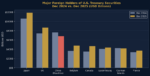 The Dollar’s Plumbing: Conspiracy Vs. Data
 -
 Neuer Schufa Score: Warum mir 201 Punkte fehlen
 -
 “Ölpreis bis zu 300 USD möglich“ – die Welt wird neu aufgeteilt | Währungsexperte Jürgen Wechsler
 -
 Drugmakers reassess Europe as Trump overhauls drug-pricing rules
 -
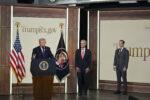 Trump promised the ‘world’s lowest’ drug prices. We checked the numbers.
 -
 Ras Laffan getroffen – beginnt jetzt die globale Energiekrise?