







Awash in foreign aid from the United States for decades, Pakistan now finds itself having to look to the very countries that once used Pakistan as a model, to find a way out of its military-industrial malaise, writes Salmaan A. Khan.This audio Mises Daily is narrated by Dianna Keiler.
Read More »
Category Archive: 6b) Austrian Economics

6b.) P: Mises.org 2014-12-03 17:48:40
The Economist recently opined that interest rates don't affect investment. This claim is based on an empirical study that contradicts what we already know: that lower prices lead to more demand. In the end, the problem lies with the researches who fail to account for the behavior of central bankers, writes Peter St. Onge.This audio Mises Daily is narrated by Robert Hale.
Read More »
Read More »
6b.) P: Mises.org 2014-12-03 17:46:46
Many people think that tipping is a results from stingy employers not paying a "living wage." But tipping solves multiple economic problems while making employers more likely to hire untried workers, writes Kenneth Zahringer.This audio Mises Daily is narrated by Robert Hale.
Read More »
Read More »
6b.) P: Mises.org 2014-11-26 19:26:01

Read More »
6b.) P: Mises.org 2014-11-25 20:27:55
Read More »
6b.) P: Mises.org 2014-11-20 19:26:20
Collective security agreements allow many countries's politicians to shift the cost of national defense to taxpayers outside their own countries. Moral hazard, belligerence, and over-reliance on military solutions often ensue, writes Patrick Barron.This audio Mises Daily is narrated by Robert Hale.
Read More »
Read More »
The Theory of Money and Credit Is More Important Than Ever]]>
Eighty years ago, Mises's The Theory of Money and Credit first appeared in English. It remains one of the most important books on money and inflation penned in the twentieth century, and it still offers the clearest analysis and understanding of booms and busts, inflations and depressions, writes Richard Ebeling.This audio Mises Daily is narrated by Robert Hale.
Read More »
Read More »
6b.) P: Mises.org 2014-11-20 19:23:02
Entrepreneurs need very specific information about their products, markets, customers, and profits. Government macroeconomic data, however, does nothing to assist entrepreneurs to obtain this important information, but only helps justify economic intervention, writes Frank Shostak.This audio Mises Daily is narrated by Keith Hocker.
Read More »
Read More »
6b.) P: Mises.org 2014-11-14 17:17:55
Read More »
6b.) P: Mises.org 2014-11-05 17:28:28
With 100 years having passed since the start of the First World War, the view of the war among historians and the public has evolved in many ways. Historian Hunt Tooley examines the turning points in how the world sees the Great War. This audio Mises Daily is narrated by Robert Hale.
Read More »
Read More »
Accumulated Capital of Centuries Going Up In Smoke

Read More »
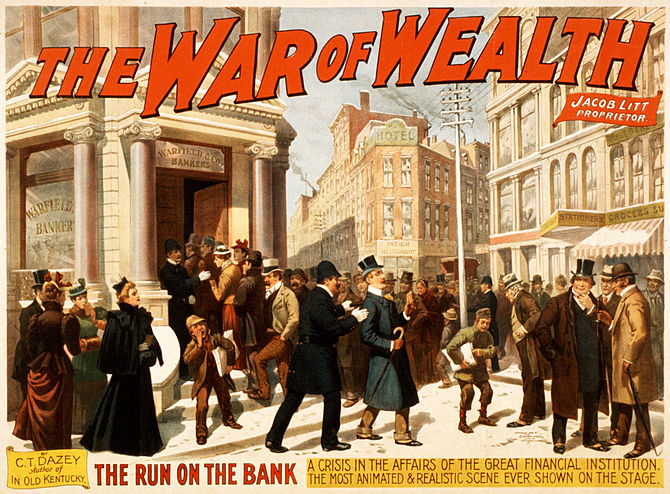

The Misleading Concept Called GDP
Read More »
Europe Stricken With Negative Deposit Rate

Read More »
Thomas Piketty Pens Communist Manifesto for 21st Century

Read More »
The Fed Poisons The Stock Market
The Fed has pumped trillions of dollars into the financial system since 2008. The unintended consequences of this bank bailout have spilled over into the markets. Fed money injections go directly into bonds, tending to push up their prices.
Read More »
Read More »
Janet Yellen’s Fed Has The Makings Of A Potential Disaster

Read More »
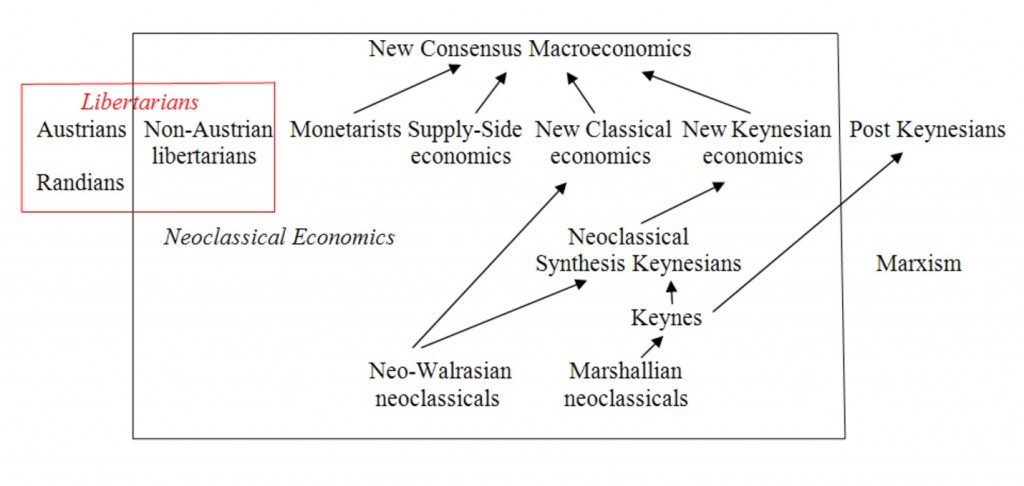
Libertarian and Austrian economic theory
Read More »
 On Swiss National Bank
-

SNB Sight Deposits: decreased by 7.3 billion francs compared to the previous week
-
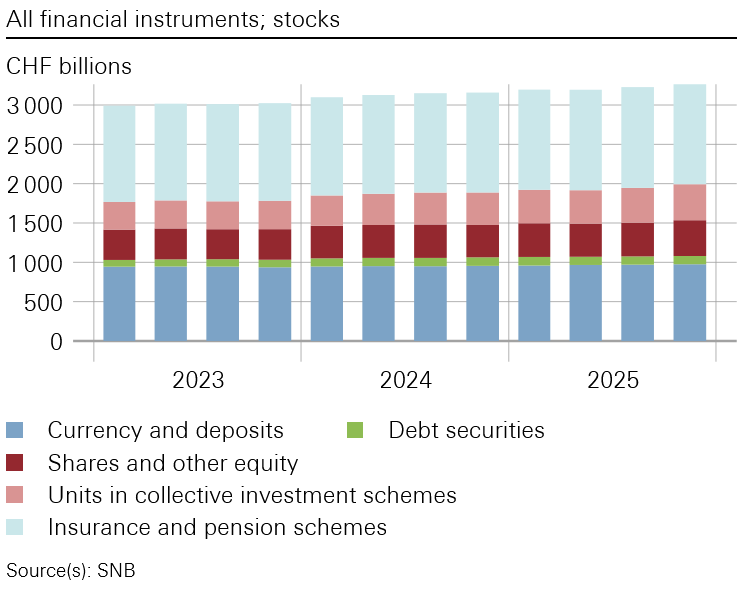
Household wealth in 2025
-
Heads up for NZD and CHF traders, RBNZ Gov Breman and SNB Chair Schlegel to speak
-
Swiss franc appreciation has led to tighter monetary conditions – SNB minutes
-
SNB’s Chairman Schlegel: A few months of negative inflation wouldn’t be a problem
Main SNB Background Info
Featured and recent
-
Retirement Withdrawal Strategies Beyond the 4% Rule
-
Voluntary Benefits Examples Employees Actually Value
-
How Much Life Insurance Do You Really Need?
-
Retirement Tax Planning Moves to Consider Before Year-End
-
 Swiss police arrest 41 people in global drug trafficking crackdown
-
 Ex-Credit Suisse chair fined for spying scandals
-
 SoftBank: Another Warning On AI Funding
-
 Swiss banks generate value added of CHF74.5 billion
-
 Big Pharma is losing sight of the world’s poorest patients
-
 Swiss rail maker Stadler steps up Kazakhstan expansion